Pricing & Negotiation
The Sample Was Approved. What Exactly Did the Volume Price Preserve?
Link sample approval to specifications and the production route before negotiating volume savings, substitutions and change implementation.
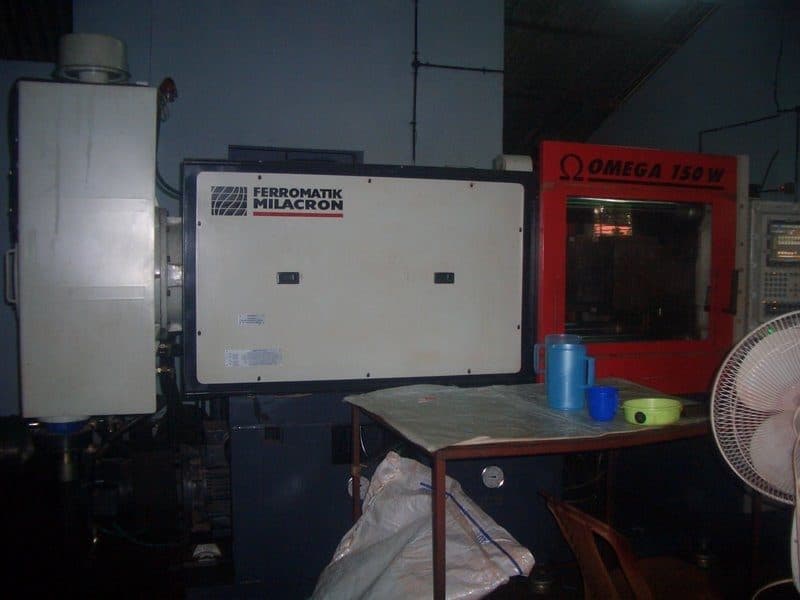

The approved sample can remain on the buyer’s desk while production moves away from it. The visible item has not changed, yet the material source, tooling, manufacturing site or finishing route may have changed behind the order. A buyer who negotiated only the sample’s appearance has little evidence about which production conditions were meant to remain fixed.
The useful commercial question is what the supplier is offering to repeat. Before negotiating the volume price, connect the accepted sample to a defined product specification and an identified production route. Then agree which changes require notice, review or renewed approval. This is a question about preserving the purchase basis, distinct from deciding how many finished pieces to inspect before shipment.
A good object and a repeatable process answer different questions
Ask how the sample was made. Was it a prototype, a pilot part or an item taken from the intended production line? Which drawing revision, material and tool did it use? Were any operations performed differently from the proposed volume route? The answers determine what the sample can reasonably represent.
Bosch’s February 2025 supplier-quality requirements, written for its Mobility Solutions supply chain, distinguish prototypes and pilot series from serial deliveries. The same document evaluates performance under production conditions and records identifying details such as tooling and production line in its approval documentation. These are customer-specific requirements, not an automatic obligation on an unrelated supplier. They illustrate the information missing from an approval email that merely says the sample looks good.
For another industrial purchase, scale the evidence to the product. A simple component may need a clear drawing and material specification plus a documented production route. A functionally critical assembly may need a much more substantial qualification. The responsible engineer should decide the required evidence and acceptance criteria; a buyer should not invent universal capability thresholds.
Make the sample point to something measurable
A retained sample can help resolve an appearance discussion, but it should have an identity: sample reference, date, product revision and the characteristics it represents. Link its inspection results and any agreed concessions. Give the supplier and buyer access to the same approval record rather than allowing separate photographs to become competing references.
Where possible, describe the relevant requirement in the drawing, material specification or agreed test method. “Same as sample” leaves readers to decide whether it means colour, dimensions, performance, construction or all of them. An accepted surface finish does not explain an untested internal feature. Record which characteristics were assessed and which remain subject to other evidence.
This is also a negotiation issue. If a supplier offers a lower volume price, ask which assumptions make it possible: different tooling, a different process sequence, another material source or production at another facility. A genuine efficiency improvement may be welcome. The buyer needs the technical differences visible before accepting the saving.
Follow changes beneath an unchanged part number
Graco’s supplier change guidance lists more than drawing changes. Its examples include relevant tooling changes, production-method changes, certain material-source changes, packaging and inspection methods. It requires suppliers to communicate proposed changes for review through its purchasing and quality contacts. The list is Graco’s purchasing framework; buyers can use the categories as questions without claiming the same contractual rules apply to their order.
Ask your supplier to describe proposed differences before implementation, identify affected parts and explain the reason. Have the technical reviewer decide whether further samples, qualification or documentation are needed. Keep that technical decision separate from accepting a cost reduction or revised delivery date.
Infineon’s change-notification page provides another sector-specific example. Its requested information includes a before-and-after comparison, affected materials and sites, qualification evidence, and a transition plan for samples and date codes. The transferable idea is to make the boundary between the old and new supply identifiable. Semiconductor procedures should not be copied wholesale into a general fabricated-goods purchase.
Negotiate the transition as carefully as the unit price
A change agreement should say which order lines, lots or units it affects. Ask what will happen to existing material, work in progress and stock already finished. If both versions will be delivered, agree identification and receiving instructions so the warehouse can distinguish them. Otherwise an approved new route may arrive mixed with the old one, leaving a technically acceptable decision difficult to apply.
Keep the commercial record equally clear. Separate recurring price changes from one-time tooling or qualification charges. Identify who owns the tool and the approved data where relevant to the contract. Record the evidence still outstanding before treating a promised saving as available for the next order.
When production appears to differ, compare its records with the accepted basis before assigning a cause. A mismatch may reflect an unauthorized change, an incomplete original specification or an observation that needs further measurement. Preserve the evidence and refer disposition to the authorized technical and commercial owners. Repeating that the supplier must match the sample does little until both parties can identify what the sample approved—and what production is now doing differently.
Reading notes
Sources and scope
Primary sources checked on November 4, 2026. Customer procedures and regional rules apply within their stated scope.
Bosch Mobility Solutions
Edition 3, February 2025; sections 3.4, 4.7–4.9 and 12; customer-specific requirements.
Graco
Manufacturer examples of product, process, tooling and inspection changes.
Infineon Technologies
Sector-specific change information and transition planning; no universal timeline asserted.
Continue the decision