Supplier & Factory
The Bolts Are Correct. Is the Steel Connection?
Buying fabricated steel from China? Check snug-tight, pretensioned and slip-critical joint requirements before approving bolts, coatings and installation.
Buying fabricated steel from China? Check snug-tight, pretensioned and slip-critical joint requirements before approving bolts, coatings and installation.
A field guide for overseas buyers purchasing machinery, electrical components, fabricated parts and commercial cargo on CIF or CFR terms: how the negative-freight CISF kickback works, why destination agents hold cargo hostage, when LCL becomes more expensive than a 20ft container, why standard CIF marine insurance pays $0 for water and handling damage, and how to contractually protect your landed costs.
An AI search can find Chinese steel fabricators. The harder decision is whether the building will meet local design, material, QA, shipping and installation requirements—and when a buyer should pay for help.
A working protocol for buyers of machinery, electrical equipment and process lines who pay a deposit abroad: how to verify that a guarantee exists, read the effectiveness, reduction and expiry clauses that quietly empty it, write a demand that a bank must honour, and plan for a stop-payment application by the supplier.
A field protocol for overseas buyers of pressure-retaining valves, castings and forgings: how to build an ITP with real hold points, what an EN 10204 3.2 inspector must physically control, why handheld XRF cannot catch an A105-for-LF2 swap, and how to verify a Lloyd's Register, TÜV, DNV or Bureau Veritas signature.
A comprehensive, engineering-grounded operational guide to cross-border procurement across industrial manufacturing, mechanical equipment, and commercial goods. Covers supplier due diligence, factory audits, technical conversion, Incoterms, payment security, third-party inspection, logistics protection, customs compliance, and dispute resolution.
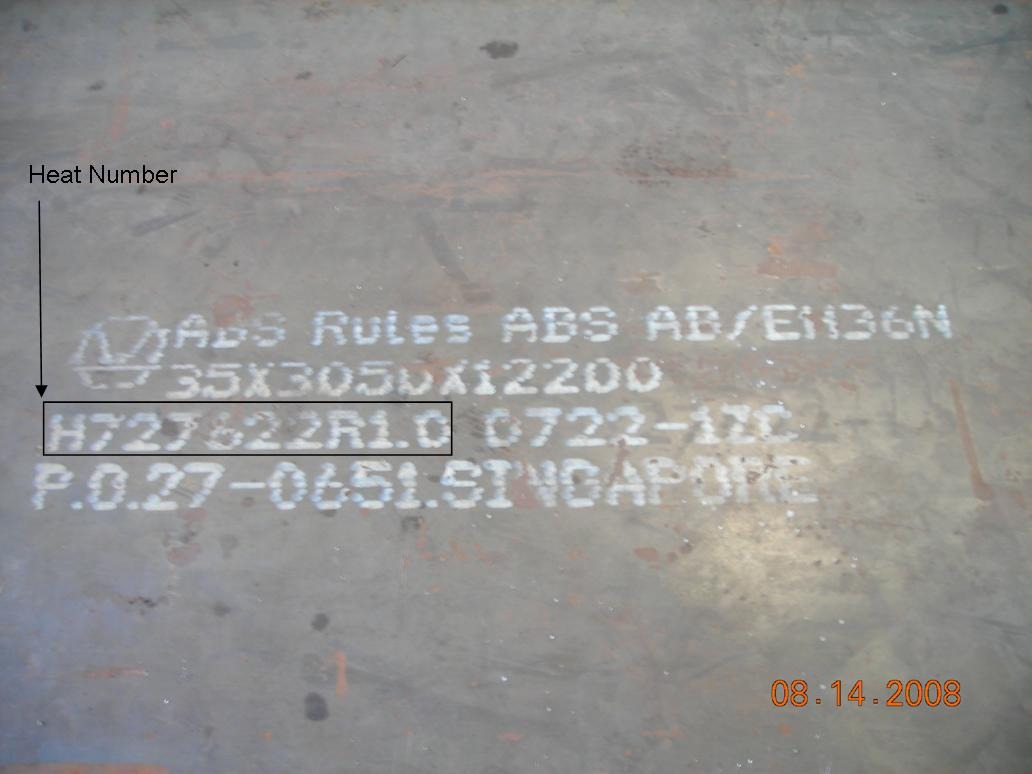
A Certificate of Conformance or generic mill sheet is not proof that delivered steel matches your order. Verify physical heat marks, EN 10204 3.1 certificates, and PMI hold points before wiring the balance.
An industrial factory can produce the goods while a trader invoices the buyer. Identify the legal seller, exporter and bank beneficiary before a deposit or customs release.
The EU's forced-labour product ban starts on 14 December 2027. Industrial buyers should map the actual manufacturing chain, not mistake quality certificates or a supplier declaration for proof of labour conditions.
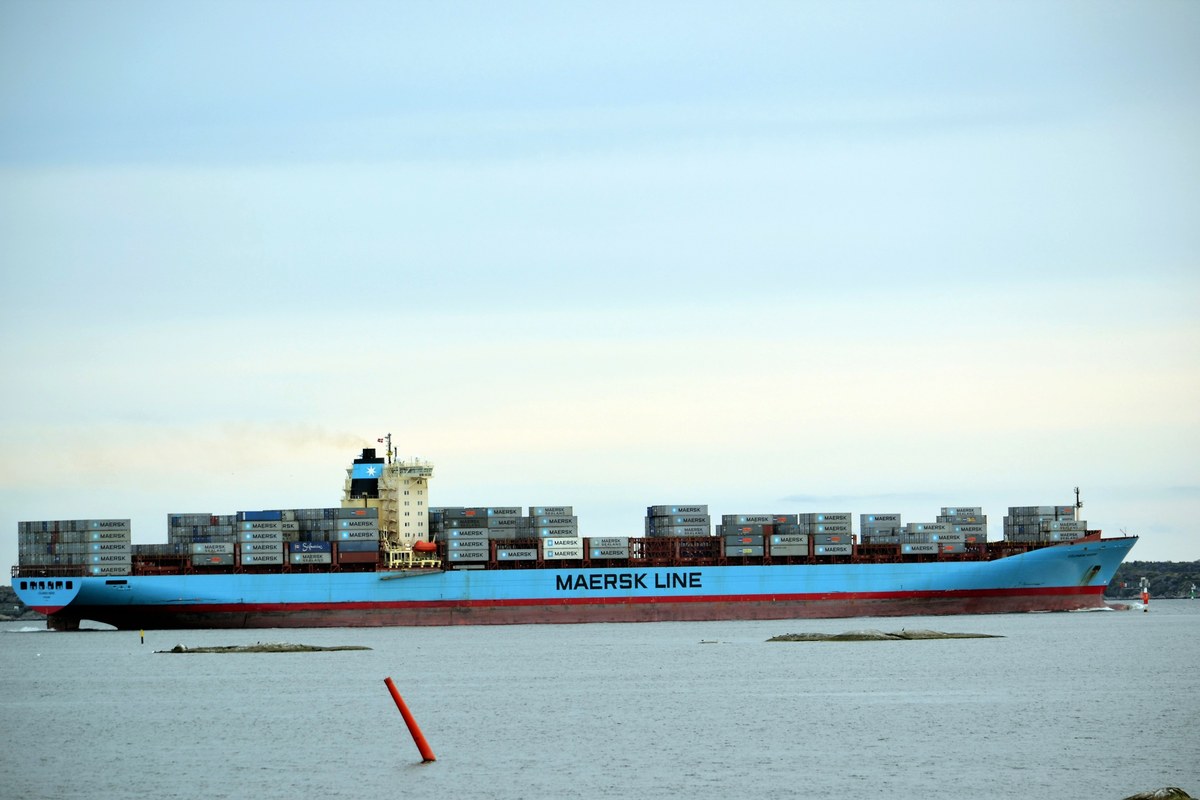
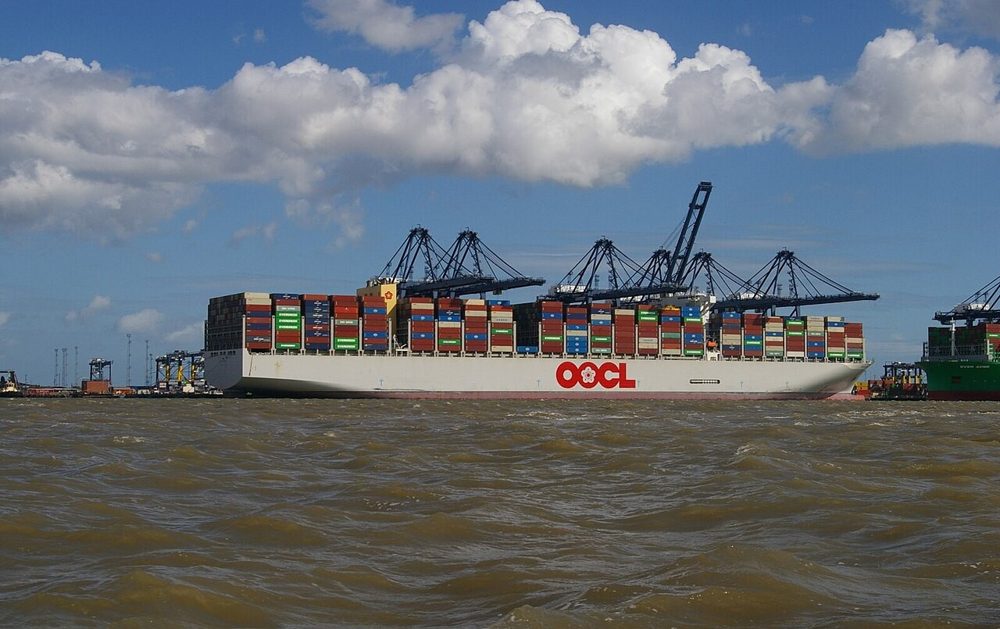
From 23 November, Maersk's Asia–Mediterranean peak-season charge is USD 750 for a 20-foot box. A separate USD 400 heavy-load charge can apply above 25 tonnes VGM. The details matter for steel and industrial buyers.
When carriers revise peak season surcharges across Asia–Gulf lanes, the difference between a planned booking date and the actual Price Calculation Date can add thousands of dollars per container. Here is how buyers protect their freight budgets.
Before switching a shipment to an electronic bill of lading, check who controls the document, whether the buyer and bank can receive it, and how surrender and cargo release will work.
Before accepting an overseas steel supplier's CBAM figure, match the product scope, producing installation, calculation period and verification route. A carbon number in a quotation is not automatically declarable evidence.
Verify a supplier bank-account change through an established contact route, then preserve the amendment and payment approval record.
Check the importer, customs representation, duties, taxes and records behind a DDP quotation, with separate US and Great Britain examples.
Link sample approval to specifications and the production route before negotiating volume savings, substitutions and change implementation.
Connect an approved sample to the actual manufacturing site, outside processes and first production lot before an undisclosed route change becomes a delivery problem.
Wet pallets, leaks, temperature changes and unpacking conditions need different responses. Diagnose the moisture route before buying a larger drying-agent dose.
Compare the asset you own, the storage and care you receive, and the cost of the first accepted batch after a tool transfer—not just the mold charge.
A replacement material can match a grade table and still leave service conditions or interfaces unresolved. Ask for the comparison that belongs to the actual part.
Missing reference samples and unavailable test equipment leave different gaps. Read the remarks, define the missing evidence and keep shipment authorization explicit.
A spot-market signal and a supplier’s freight-inclusive price answer different questions. Compare scope, booking conditions and time before negotiating the difference.
A clean weld photograph shows that somebody looked. It does not say which joint, on which member, to which drawing revision, was examined against which acceptance basis. Buyers need those links before release.
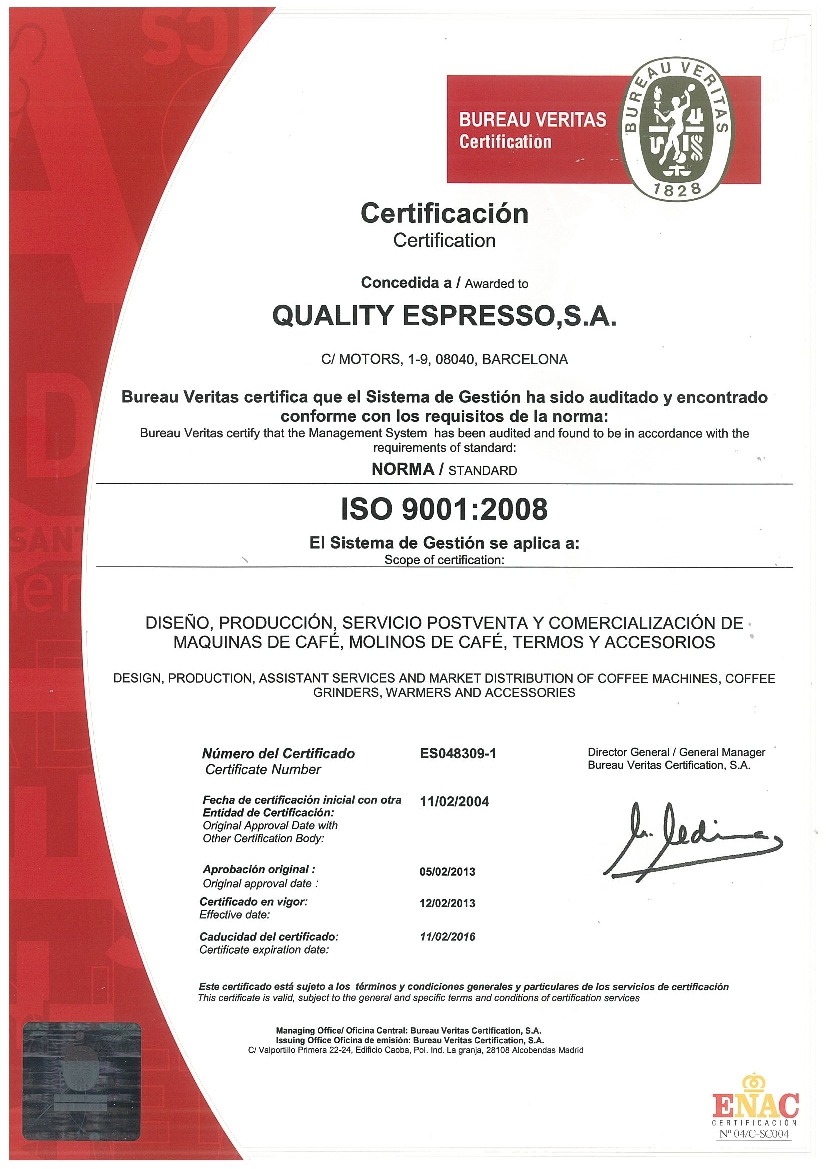
Verifying an ISO 9001 certificate is only the beginning. A buyer still needs to connect the named organization, covered activities and production location to the order being placed.
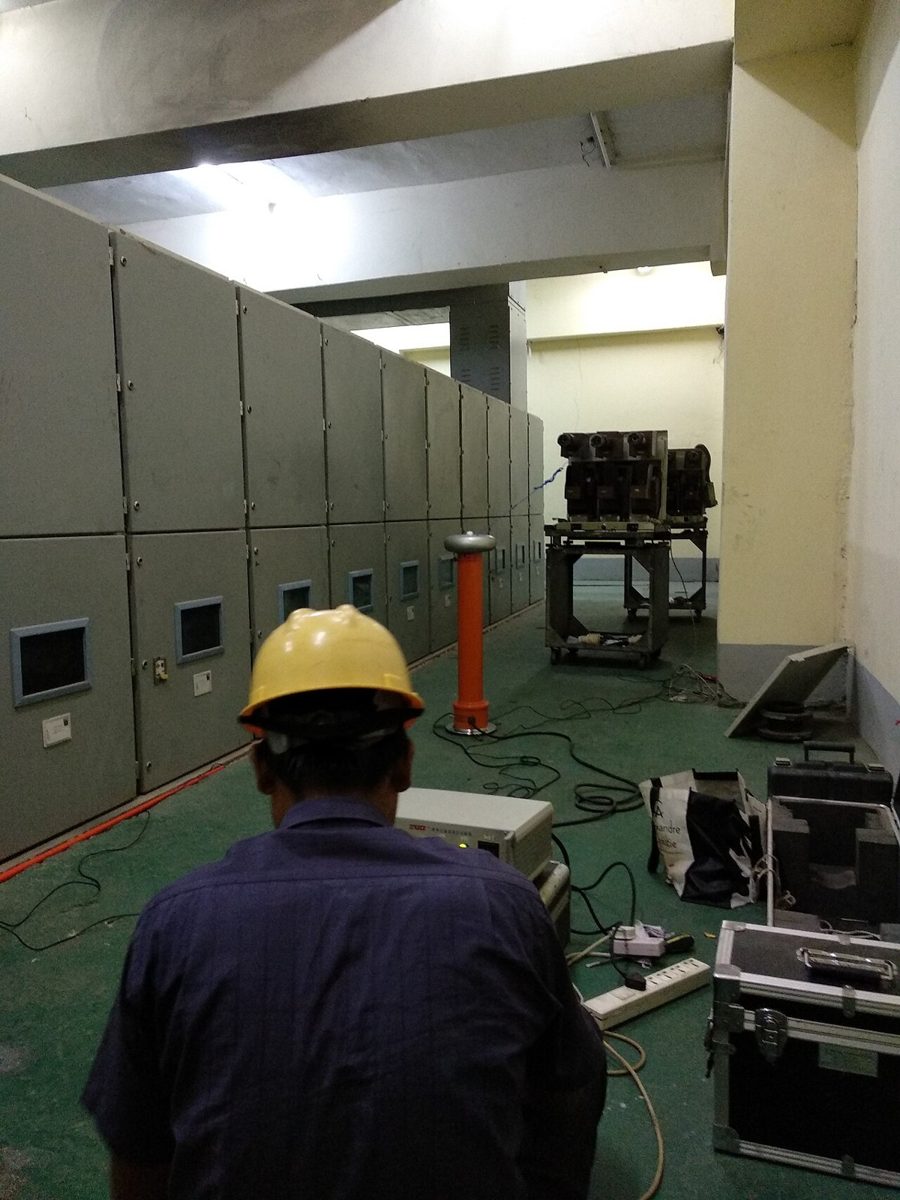
A current sticker answers a question about an instrument's calibration status. It does not, by itself, establish that a measurement is suitable for accepting a tightly toleranced part.
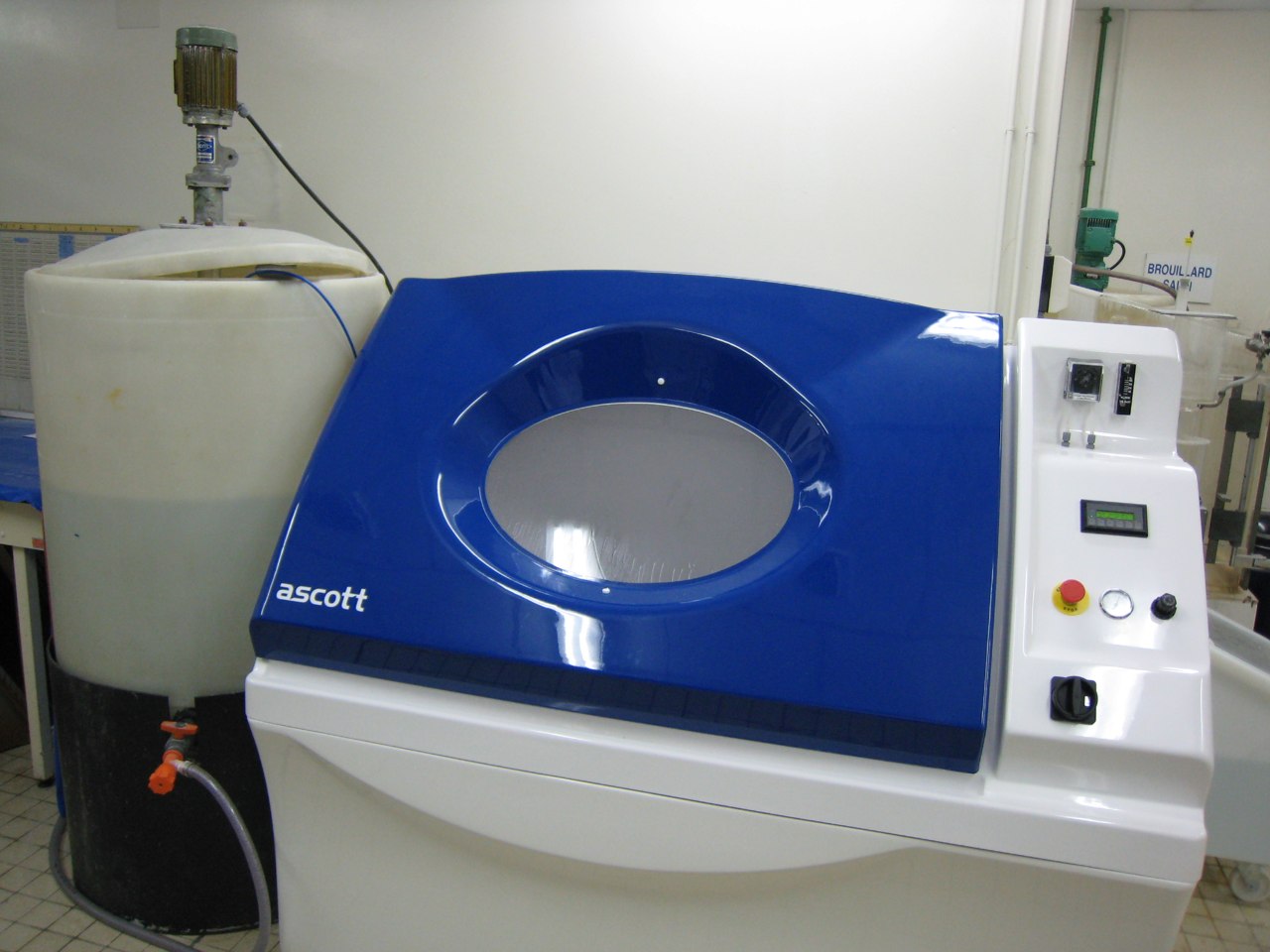
A long laboratory exposure can be useful evidence. Turning it into a promise of outdoor life requires a different argument—and a much more specific description of what was tested.
The logo on the report is not the end of the enquiry. The useful question is whether the laboratory's accredited scope covers the particular work your purchase requires.
A handheld alloy match can be useful without proving the low-carbon requirement. Buyers should ask which elements were actually measured before treating a grade label as full material acceptance.
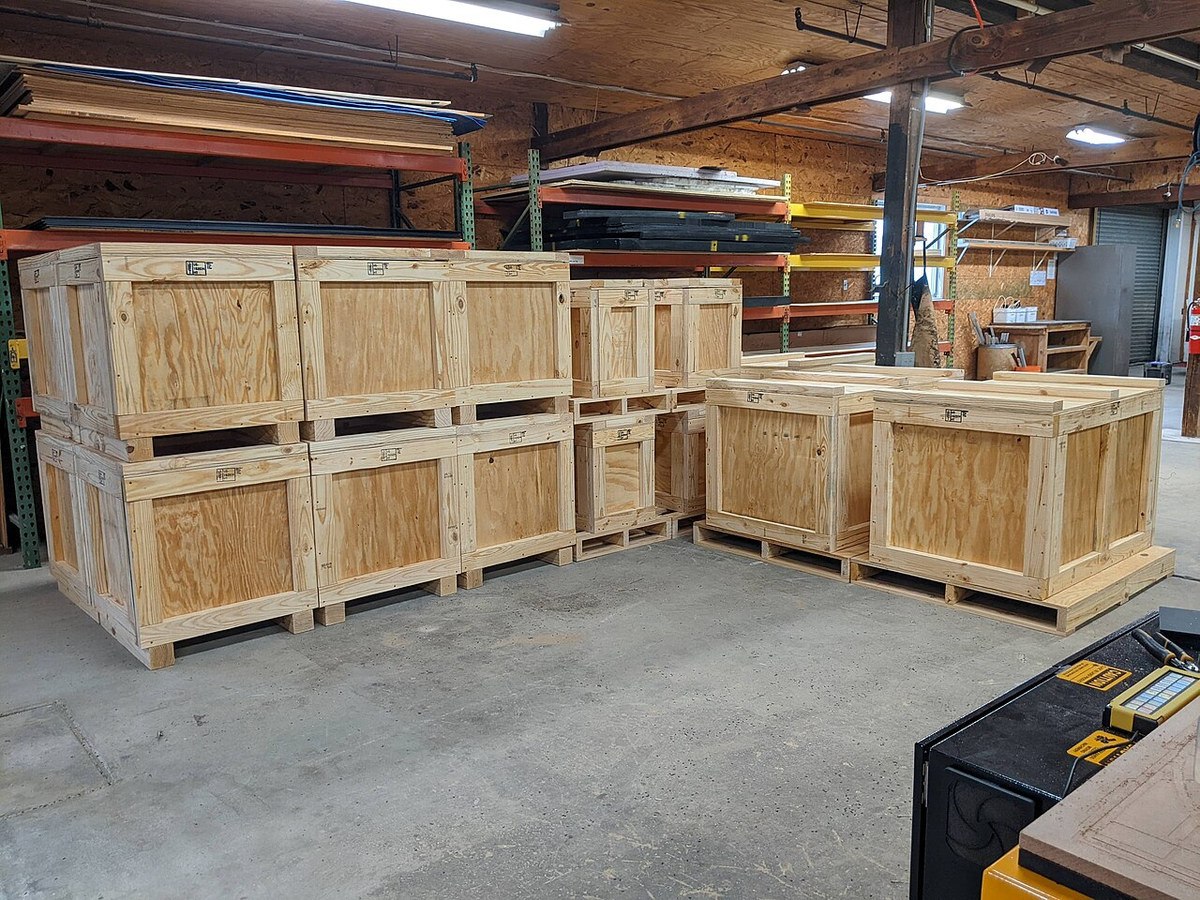
The label on the quotation may describe the walls of a crate, not everything supporting the cargo. Look underneath before assuming the whole packing arrangement falls outside wood-packaging controls.
A correct cargo total is not automatically the verified mass of the packed container. The missing weight may sit in the packaging, securing material or container itself, and the missing responsibility at a handover.
A tariff number that works on the export side may not exist in the destination's schedule. Ask what the code describes before letting it become an assumption in the landed-cost calculation.
Two environmental declarations can be legitimate without supporting the comparison in a bid spreadsheet. Start with the product's function, the reference unit and the life-cycle boundary—not the smaller headline number.
A lot-acceptance decision and a count of all defective pieces are different things. Buyers need to settle that distinction before an inspection report becomes a release instruction.
A coating-thickness reading may be right and still say little about the steel on your shipment. The missing link is often between the test record, the piece mark and the packing list.
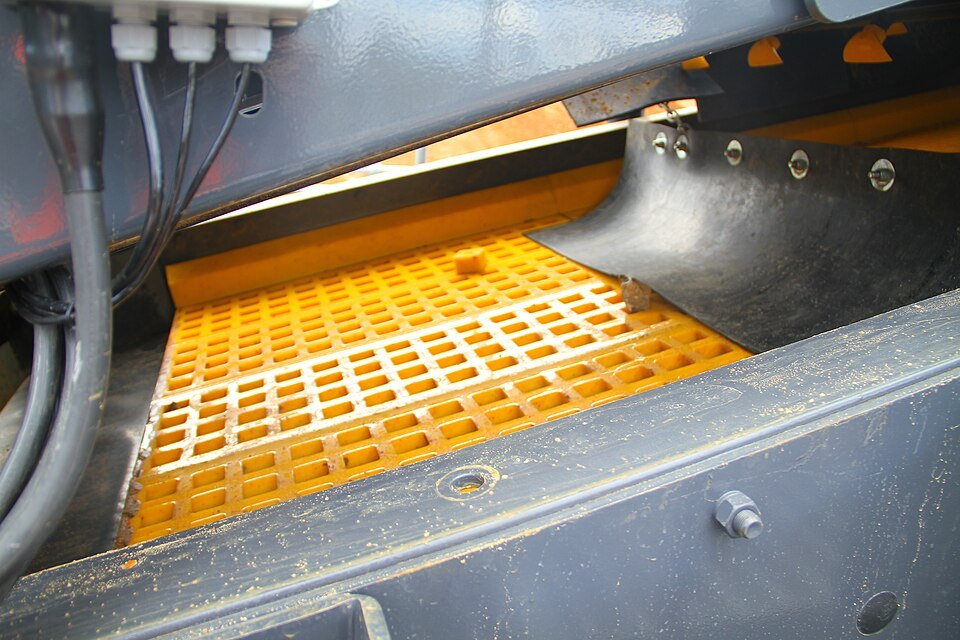
A cheaper PU screen panel is not automatically interchangeable. Compare deck fit, fastening, effective open area, wear, cut size, lead time and landed cost before choosing a China second source.
A lower filter-bag unit price is not a sourcing decision. Check the installed system, equivalent media, cleaning performance, replacement risk and landed cost before switching suppliers.
Find gaps in steel and MEP quotations before ordering. Use a scope checklist to assign design, supply, installation, testing and acceptance responsibilities.
Confirm which drawings your supplier priced with a sheet-level revision register, change checklist, and written acknowledgment before placing an order.
Use this procurement handover checklist to preserve supplier decisions, separate assumptions from commitments, and give the next owner a clear starting point.
Need industrial materials or equipment but have no supplier yet? Build a technical sourcing brief, identify unknowns, and choose the next supplier request.
Organize a supplier quality dispute with a neutral issue statement, dated chronology, requirement-to-evidence index and submission checklist.
Handle a procurement specification change with a supplier impact request, interface review and clear technical, commercial and release decisions.
Define supplier data book requirements before the PO: scope, item traceability, revisions, staged delivery, usable files and acceptance responsibilities.
Revalidate an expired supplier quote by checking its technical basis, price, availability, delivery conditions and the approvals needed before a PO.
Track procurement submittals with clear document states, expected-item registers, review conditions and evidence of authorized fabrication release.
Compare industrial supplier quotes on the same scope. Copy a practical comparison template, flag missing costs, and resolve technical differences before buying.
Deep Sourcing #001: a buyer-side look at technical fit, Guatemala's import market, freight, tariff treatment, and when buying locally may still be the better decision.
A buyer-side method for proving that a steel MTC, heat number, cut part, fabricated piece mark, and packing list belong to the same shipment.
A buyer-side verification method for checking factory identity, engineering capability, welding control, material traceability, subcontracting, capacity, and payment risk before money moves.
A practical buyer-side checklist for checking molds, reinforcement control, curing, dimensional tolerances, certificates, packaging, and project delivery risk.
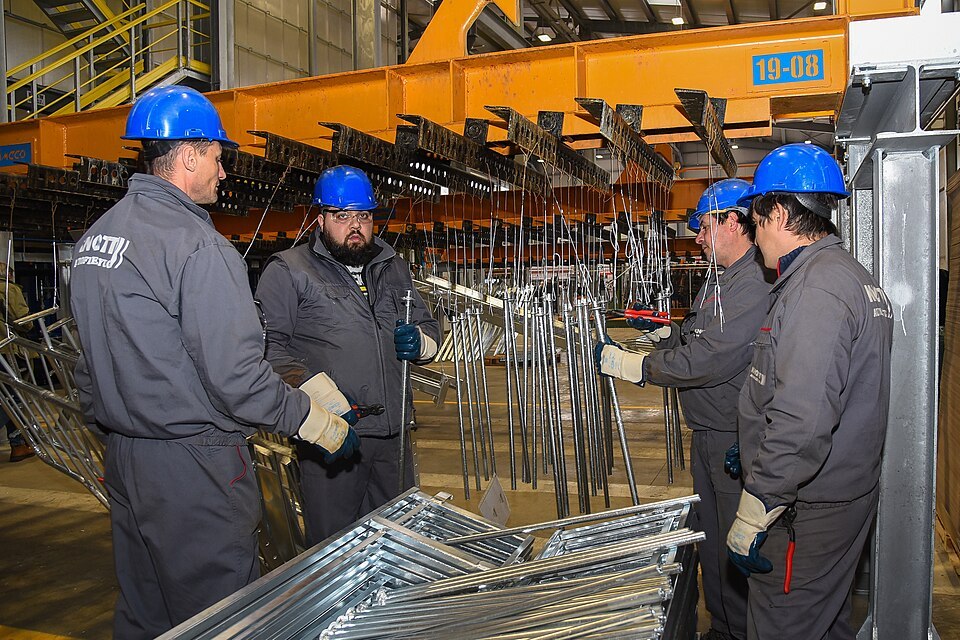
Buyer-side checklist for verifying a steel fabricator's engineering, welding, traceability, subcontracting, capacity, coating, packing, and delivery controls.
Before release, engineering buyers should verify quantity, markings, packaging, visible quality, dimensions, documents, and shipment readiness.
Allow Google Analytics cookies to help us understand visits? Optional analytics stays off until you allow it. You can change this choice at any time.