Steel structures
The Bolts Are Correct. Is the Steel Connection?
Buying fabricated steel from China? Check snug-tight, pretensioned and slip-critical joint requirements before approving bolts, coatings and installation.
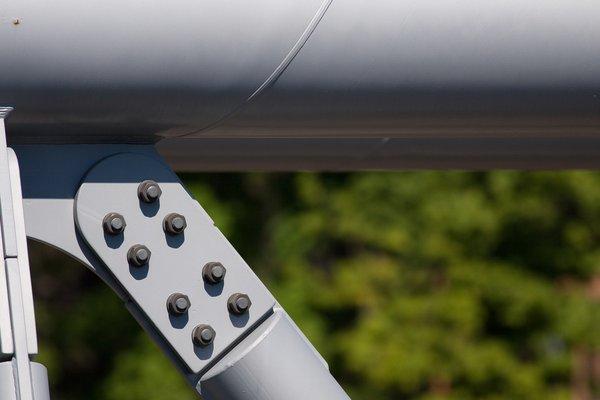
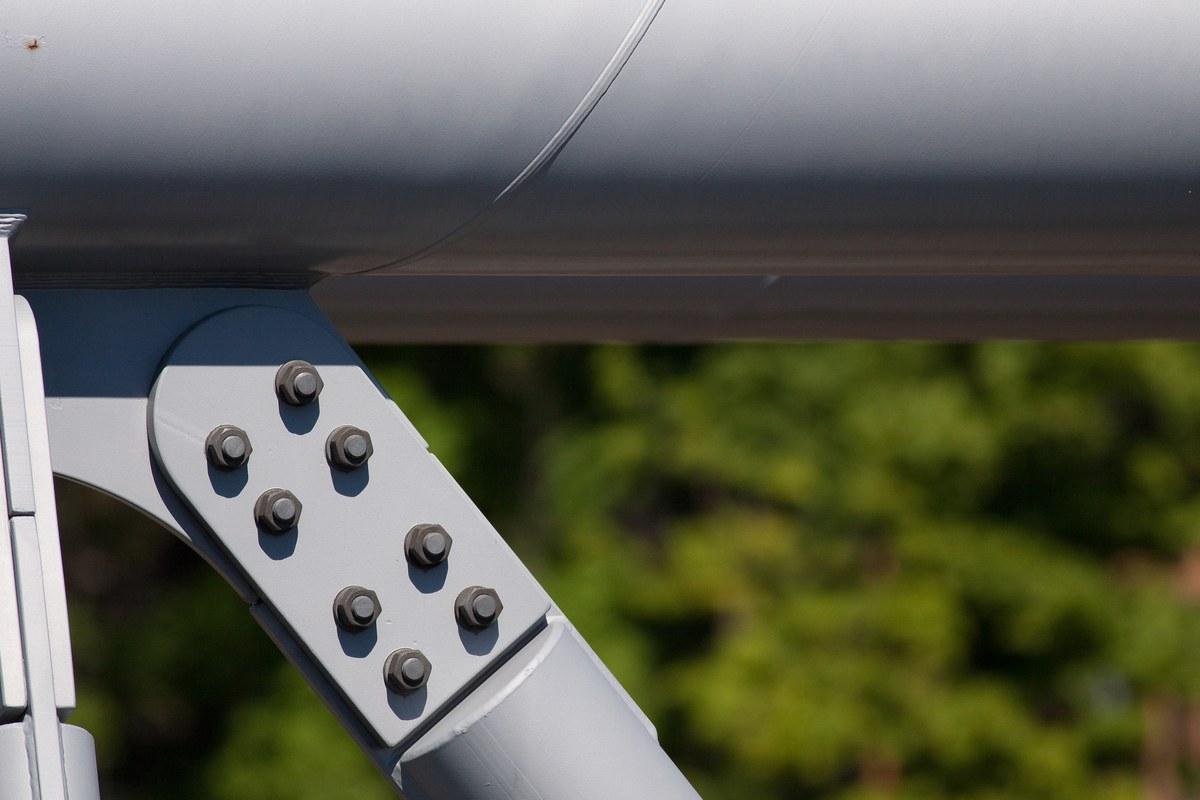

Why overseas buyers should verify joint requirements—not just bolt grades—before accepting fabricated steel from China.
A Chinese steel fabricator may supply exactly the high-strength bolts listed in your purchase order. The material certificates may be genuine, the bolt dimensions correct and the quantity complete.
Yet the connection may still be unsuitable for the project.
The problem is that a bolt specification and a bolted-joint specification are not the same thing.
A structural connection can require ordinary snug-tight installation, specified pretension or slip resistance. Those distinctions affect design assumptions, fabrication details, surface preparation, installation procedures and inspection.
For overseas buyers, the risk begins when a drawing package specifies a bolt grade but leaves the connection requirements unclear—or when the factory assumes that all high-strength bolts are installed in essentially the same way.
Three joint types, three different obligations
The Research Council on Structural Connections (RCSC) distinguishes snug-tightened, pretensioned and slip-critical joints. The applicable design documents and adopted specification determine which type is required.
Snug-tightened joints require the connected plies to be brought into firm contact. The snug-tight condition does not prescribe a particular installed bolt tension.
Pretensioned joints require a specified minimum bolt pretension and an acceptable installation method.
Slip-critical joints depend on the required pretension and suitable faying surfaces—the contacting surfaces between connected steel elements—to provide the specified resistance to slip.
These categories should not be treated as interchangeable.
A supplier might correctly identify the bolt diameter and strength class while misunderstanding the installation condition. Another might fabricate and coat the steel without recognizing that the faying-surface treatment is part of the connection's structural performance.
The practical purchasing lesson is simple: the buyer must verify the joint designation, not merely the fastener description.
Why the distinction matters before fabrication
Consider a hypothetical industrial steel package containing roof beams, bracing connections and equipment-support structures.
The fabricator receives drawings showing bolt sizes, hole patterns and connection plates.
If the connection schedule does not clearly identify which joints require pretension or slip resistance, the supplier may proceed using a standard shop practice.
That may be acceptable for some connections and unacceptable for others.
The consequences extend beyond tightening bolts at the construction site.
For example, a slip-critical connection may require particular faying-surface preparation and a defined slip-resistance classification. Coating or contaminating the surfaces without considering those requirements can affect the assumed resistance.
The designer must establish the required connection behavior. The fabricator should not independently reinterpret a structural connection merely to simplify manufacturing.
AISC's official bolting guidance identifies circumstances in which pretensioned or slip-critical joints are required and emphasizes the distinction between joint types.
Five checks before approving the steel package
1. Does the connection schedule identify joint types?
Request a connection schedule that links each relevant connection designation to the approved drawings.
The schedule should identify whether the connection is snug-tightened, pretensioned or slip-critical under the governing project specification.
For slip-critical joints, it should also identify the required slip-resistance class and related surface requirements.
If the drawings are ambiguous, obtain clarification from the responsible designer before fabrication or installation proceeds.
2. Are the bolts compatible with the specified standard?
A bolt described as 'high strength' is not automatically interchangeable with every high-strength structural fastener.
Check the complete fastener assembly: bolt, nut, washer, dimensions, mechanical properties, coating and applicable product standard.
Different national standards and product systems may have different assembly and verification requirements.
Do not approve substitution solely because two bolts have similar nominal tensile-strength values.
The engineer responsible for the design must determine whether an alternative is acceptable, including any implications for installation, connection resistance and inspection.
3. Are the faying surfaces being treated correctly?
For slip-critical connections, surface condition is part of the design and execution requirement.
Ask the fabricator how the relevant contact surfaces will be prepared, protected, identified and inspected.
Do not assume that a coating suitable for general corrosion protection is automatically acceptable on a slip-critical faying surface.
The appropriate treatment depends on the governing specification, required slip-resistance classification and accepted evidence for the surface system.
If the project uses painted steelwork, identify which surfaces require special treatment before approving the coating procedure.
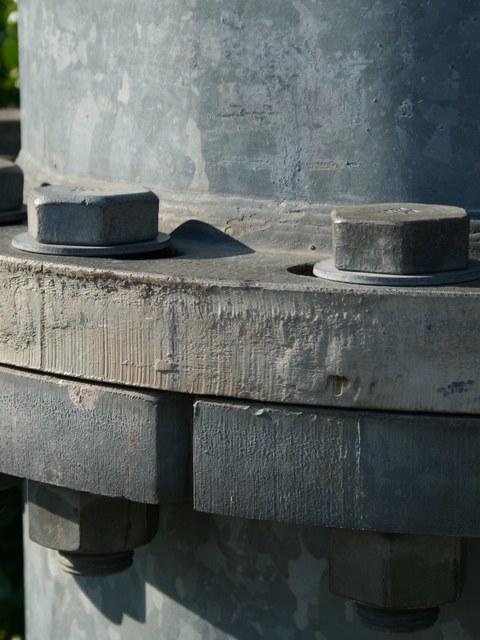
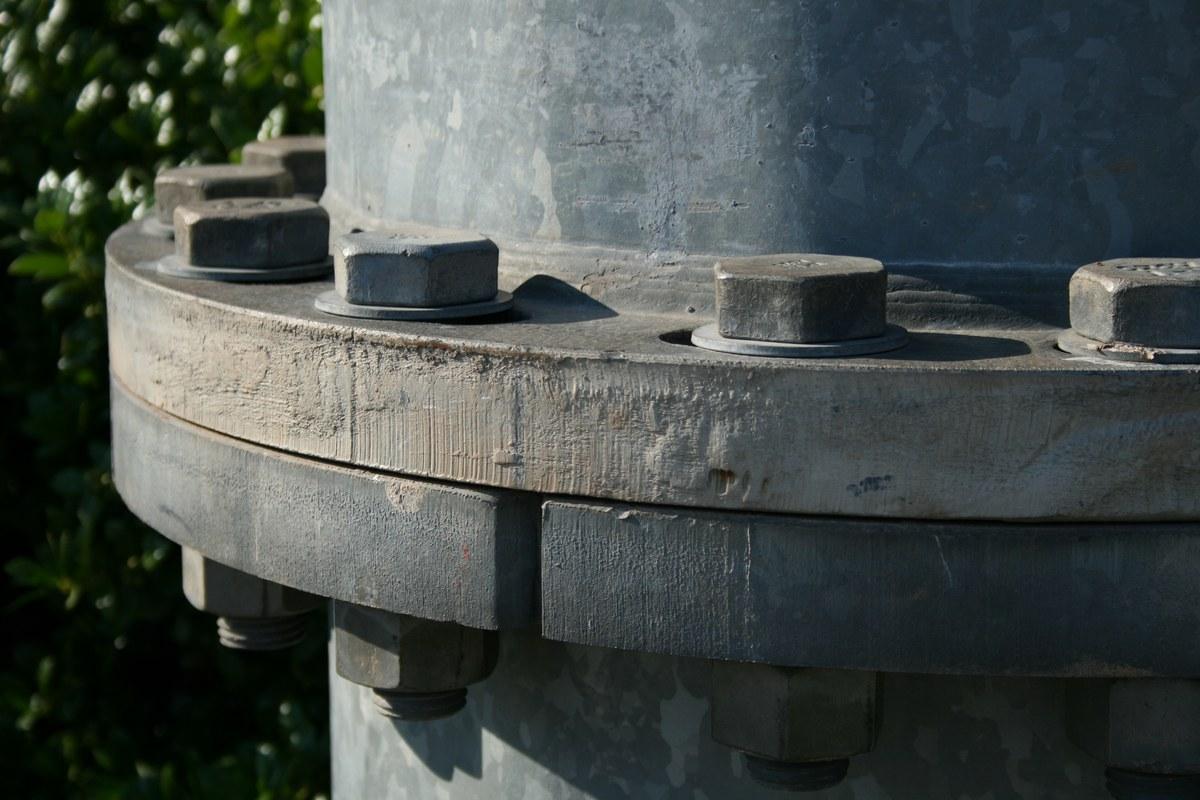

4. Who controls installation and verification?
Supplying the correct bolts does not prove they were installed correctly.
The installation contractor needs a procedure appropriate to the specified joint type and fastener system.
For pretensioned joints, this may involve installation-method verification, appropriate equipment, inspection responsibilities and documented acceptance criteria.
The buyer should determine whether the fabrication supplier, erection contractor or another qualified party is responsible for each activity.
A factory certificate cannot substitute for evidence of installation work performed later at the construction site.
5. Can the inspection records be traced to the actual joints?
A generic inspection report stating that high-strength bolts were checked is of limited value if it does not identify the inspected work.
Useful records should connect the inspection activity to relevant connection marks, locations, drawings, procedures and acceptance requirements.
For a large project, this may require an inspection and test plan with defined witness points and responsibilities.
For a smaller industrial structure, the documentation can be simpler—but it still needs to establish what was checked and against which requirement.
A buyer's joint-requirement review table
| Review item | Evidence to request | Decision owner |
|---|---|---|
| Joint designation | Approved connection schedule | Responsible designer |
| Bolt assembly | Product specification and traceable certificates | Supplier and project QA |
| Hole geometry | Approved fabrication drawings | Designer/fabricator |
| Faying surfaces | Surface preparation and coating procedure | Designer and qualified execution team |
| Installation | Approved method and verification records | Erection contractor |
| Inspection | Joint-specific acceptance records | Authorized inspection team |
| Substitutions | Written technical approval | Responsible designer |
This table is a procurement-control tool, not a replacement for structural design or project-specific inspection requirements.
US and European requirements should not be casually mixed
A buyer sourcing steel from China may encounter Chinese, American and European fastener descriptions in the same quotation.
That does not establish equivalence.
For a project governed by American structural steel requirements, AISC 360 and the applicable RCSC specification are important references for bolted-joint design and execution.
For European steelwork, EN 1090-2 addresses technical execution requirements for steel structures, while EN 1090-1 concerns conformity assessment of structural components within its applicable scope. The relevant product standards, national rules and project specification must also be considered.
CE marking under the EU Construction Products Regulation, where required, is not simply a certificate that a supplier can attach to any shipment. It depends on the applicable product scope, manufacturer obligations and conformity-assessment route.
The buyer should first identify the governing standards and project approvals, then ask the supplier to demonstrate compliance with those requirements.
A certificate for one standard is not automatic evidence of compliance with another.
The most expensive mistake may happen before the bolts arrive
Suppose a factory completes the structural members and applies the specified protective coating.
Only afterward does the receiving engineer discover that several connections were designed as slip-critical, but the faying-surface preparation was never clarified.
The issue may require engineering review, additional testing, surface rework, revised documentation or other approved corrective measures.
The cost is not limited to replacing a few bolts.
It may affect delivery dates, inspection arrangements, erection sequencing and responsibility for corrective work.
This is why joint requirements should be reviewed before the factory finalizes connection details and coating procedures.
When should the buyer bring in an independent coordinator?
Not every steel order requires an additional sourcing intermediary.
If the buyer has complete approved drawings, a competent fabricator, established inspection arrangements and a qualified erection contractor, direct purchasing may be entirely appropriate.
Independent coordination becomes more useful when the project involves unfamiliar standards, multiple suppliers, material substitutions, special coating requirements or unclear division of responsibility between factory and site.
A coordinator can help organize technical queries, track approvals, reconcile fabrication and inspection documentation, and ensure that unresolved issues are visible before shipment.
But the coordinator does not replace the responsible structural designer, qualified installer or legally required inspection and approval personnel.
The buyer's objective is not to purchase the strongest available bolt. It is to obtain the connection that the approved structural design actually requires.
For project-specific steel procurement and technical coordination, AN-THAI Engineering Company Limited is a separate business from SourceRating. Sourcing and coordination inquiries can be submitted via its steel procurement page or steel enquiry form. Email: [anthaicheng@gmail.com](mailto:anthaicheng@gmail.com). Phone: [+66 90 292 1749](tel:+66902921749). Scope, qualifications, professional responsibilities and any inspection arrangements must be agreed for each engagement.
Reading notes
Technical references
Primary sources verified on 22 November 2026. AISC and RCSC specifications govern structural bolting under American standards; EN 1090 standards govern execution and conformity assessment across the European Union. This guide provides procurement-control insight, not structural engineering design.
American Institute of Steel Construction (AISC)
Distinction between snug-tightened, pretensioned and slip-critical joints; faying surface coatings and pretensioning requirements.
Research Council on Structural Connections (RCSC)
Joint designations, fastener assembly requirements, surface preparation of slip-critical faying surfaces, and verification inspection.
European Committee for Standardization (CEN) / NEN
European technical execution requirements for structural bolting, preloaded and non-preloaded assemblies, and surface friction classes.
European Committee for Standardization (CEN) / NEN
Conformity assessment, factory production control (FPC), and CE marking requirements under the Construction Products Regulation.
American Institute of Steel Construction (AISC)
Provisions for bolted connections in structural steel design, Chapter J: Design of Connections.
Continue the decision
Related buyer guides
AI Found You a Chinese Steel Fabricator. Do You Still Need a Sourcing Agent?
Evaluating direct factory sourcing versus technical coordination for overseas structural steel purchases.
How to Verify a Chinese Steel Structure Supplier Before Paying a Deposit
A pre-deposit verification checklist for structural steel suppliers in China.
Which Drawing Revision Did Your Supplier Actually Price?
Controlling drawing revisions, scope changes and bill of materials during steel fabrication quoting.
The Weld Looks Good in the Photo. Which Joint Was Actually Inspected?
Why photographic weld appearance cannot substitute for traceable NDT inspection records.