Packaging & Logistics
The Container Arrived Wet. More Desiccant May Be the Wrong Answer.
Wet pallets, leaks, temperature changes and unpacking conditions need different responses. Diagnose the moisture route before buying a larger drying-agent dose.
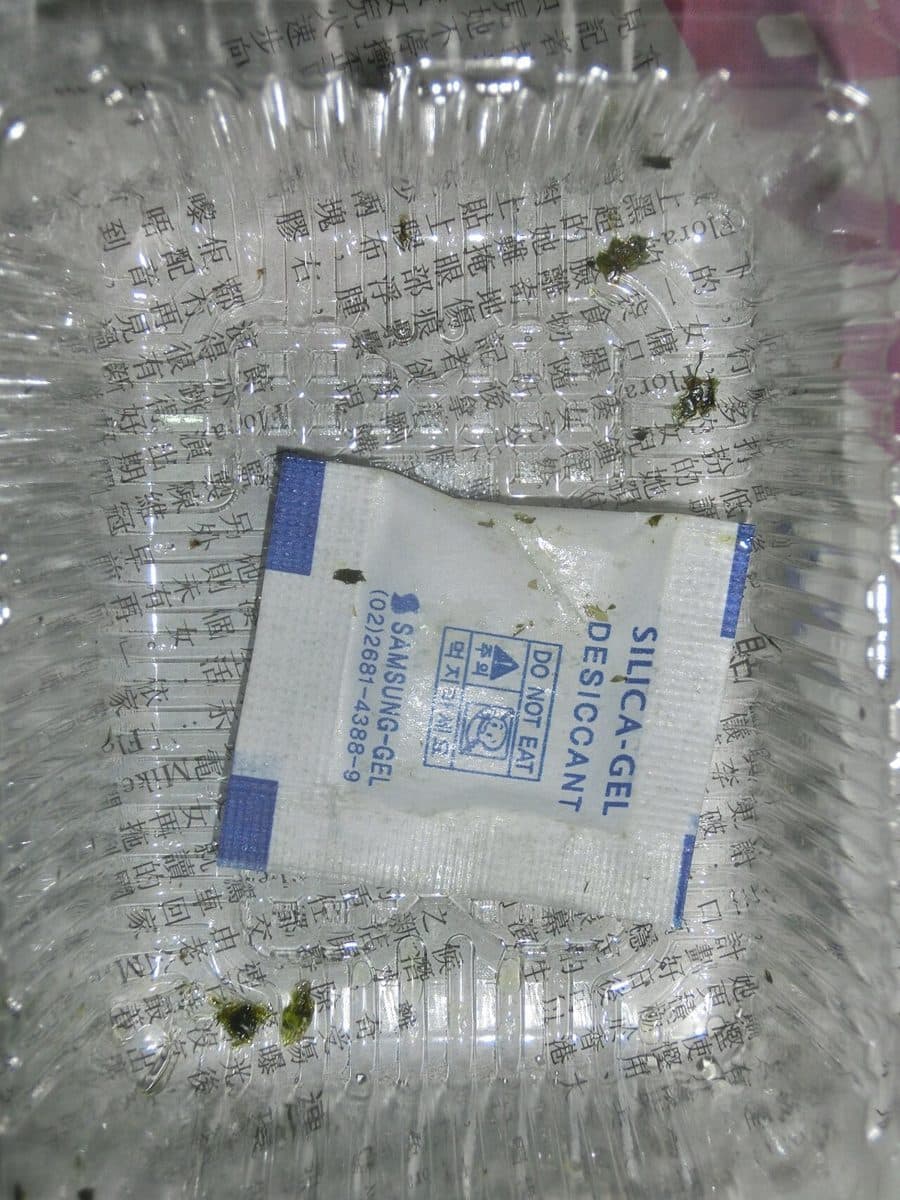

When cartons arrive soft or steel arrives spotted with rust, the next packing instruction is often simple: add more desiccant. That may be part of the answer. It is not a diagnosis. A drying agent cannot repair a leaking roof, reverse damage already caused by wet packaging or make every unloading condition safe for cold machinery.
The purchasing task is to discover where the water entered the system, what released it during transport and where it condensed. Treat the container, goods, pallets, inner packaging and destination handover as one moisture problem. Buying another bag without answering those questions can repeat the failure with a larger packing bill.
The water may have been loaded with the goods
Hapag-Lloyd's container-packing guidance, in its section on climatic stresses, identifies cargo, packaging and stowage materials among the moisture sources. It explains that temperature changes can produce condensation on the container structure or packaging, with dripping water damaging the load. A sound container is therefore not the same thing as a dry transport system.
Ask how the goods and packing were stored before stuffing. Were wooden supports kept outdoors? Were cartons exposed while the loading area was wet? Was equipment washed or tested with water before packing? These are investigation questions, not a presumption that any one operation caused the loss. The point is to identify a source that can be measured or corrected before the doors close.
Do not accept “the pallet looked dry” as a moisture record. Agree with the packaging specialist what must be measured, which method is suitable for the material, where readings are taken and what acceptance condition applies. A universal moisture limit copied from another cargo is a weak substitute for a product-specific packing specification.
Container sweat and cargo sweat are different handovers
The IMO/ILO/UNECE CTU Code, Annex 3 describes moisture released by cargo and associated materials as temperatures vary, followed by condensation on a cooling roof. It also distinguishes cargo sweat: cold goods can collect condensation when exposed to warmer, humid air during unpacking. Those mechanisms can require different receiving arrangements.
That distinction matters when an importer changes only the supplier's packing instruction. An arrival problem may also involve the warehouse opening the protective wrapping immediately. Record destination temperature and humidity conditions, the condition of the goods before and after opening, and the sequence of unloading. A receiving plan should be agreed with the packaging specialist and consignee for the actual cargo and climate; “always ventilate immediately” is not a safe universal instruction.
A desiccant has a moisture budget
The same CTU Code warns that drying agents generally lack enough absorption capacity to rescue hygroscopic cargo that was not sufficiently dry when packed. GDV's Container Handbook loss-prevention discussion likewise describes saturation and the importance of the protected enclosure. A small packet inside a product bag and a hanging unit inside an entire freight container are different arrangements.
The useful supplier question is not just how many bags were installed. Ask what enclosure the design protects, which moisture sources were included, what voyage and storage duration were assumed, and which capacity data support the selection under the expected conditions. Request installation instructions and a record showing the correct product was fitted in the specified positions without damage.
For sensitive machinery, discuss whether a properly designed barrier package is needed around the equipment. Its seams, penetrations and internal timber are part of that discussion. A bag inside an imperfect wrapping does not make the package vapor-tight. Neither a barrier nor a desiccant removes the separate need for cargo securing and a suitable unloading method.
Rule out liquid water before adjusting the dose
The handbook's separate section on rainwater and leaks describes wetting during loading and damage that can allow water through roofs, floors or door areas. That is a different corrective action from increasing passive absorption. Request a documented container-condition check and loading-weather record, including defects found and the decision to accept or reject the unit.
At destination, preserve the pattern of damage before rearranging the load. Photograph the ceiling, doors, floor and representative packages; identify which faces were wet and where they sat. Keep the container and seal identifiers, loading photographs, packing-material records and available temperature or humidity logs together. Those observations support a technical investigation; they do not by themselves allocate liability between seller, packer and carrier.
For the next shipment, agree a change that can be checked: drier packing materials, a corrected container defect, a revised protective package or a better receiving sequence. Then state who verifies it before release. Desiccant can be a useful component of that plan. It should not be the explanation for every wet arrival or the only item the buyer negotiates.
Reading notes
Source notes
Primary sources opened on 4 November 2026. Named-company purchasing provisions are examples of their own agreements; the practical questions and evidence workflow are the author’s recommendations.
Hapag-Lloyd
Carrier technical guidance; no cargo-specific moisture limit or desiccant dose derived
IMO/ILO/UNECE; public carrier-hosted copy
General transport mechanisms and limitations; no universal receiving instruction or corrosion threshold prescribed
GDV Container Handbook
Describes limitations and context-specific examples; numerical desiccant examples not reused as prescription
GDV Container Handbook
Physical entry routes; not evidence of this buyer’s loss cause or liability