Policy & Customs
The EU Is Banning Forced-Labour Products. What Can an Industrial Buyer Actually Verify?
The EU's forced-labour product ban starts on 14 December 2027. Industrial buyers should map the actual manufacturing chain, not mistake quality certificates or a supplier declaration for proof of labour conditions.
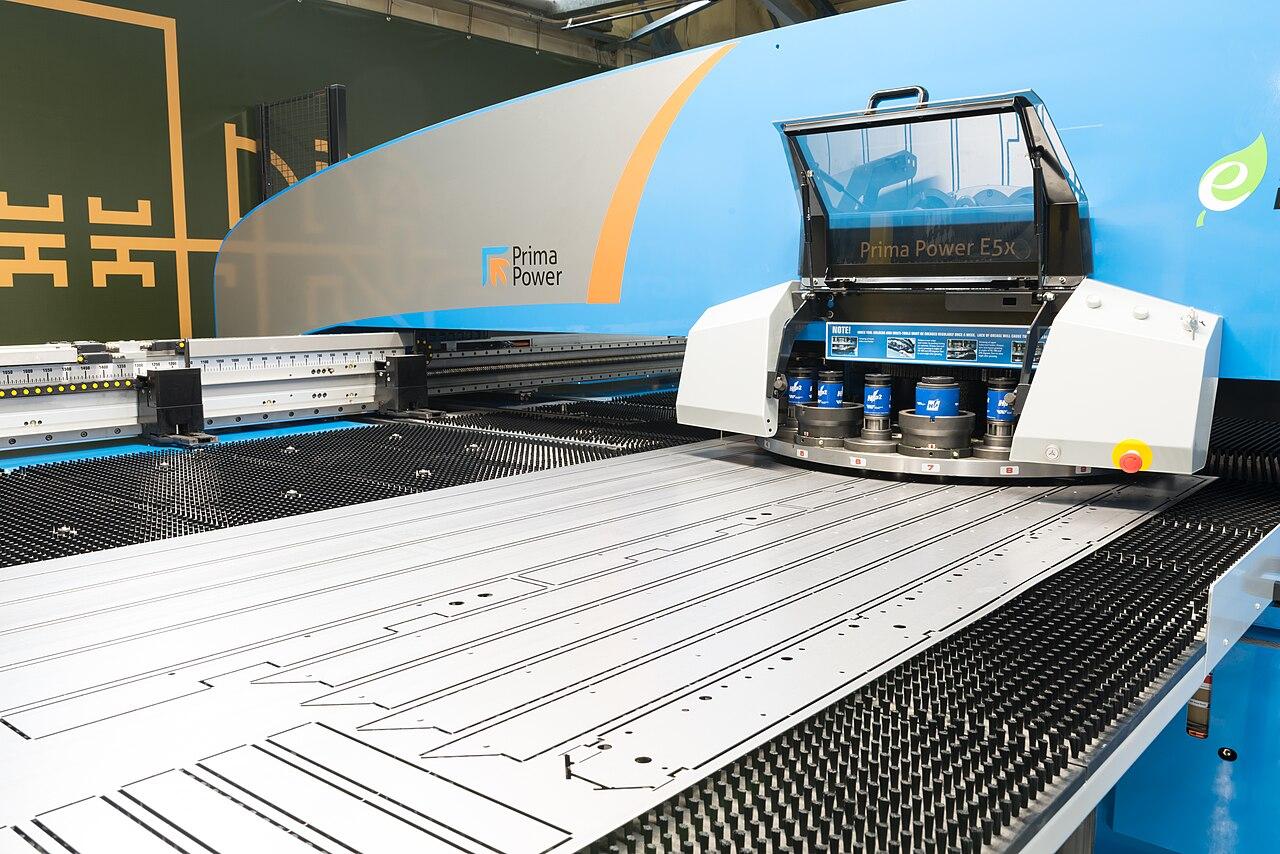

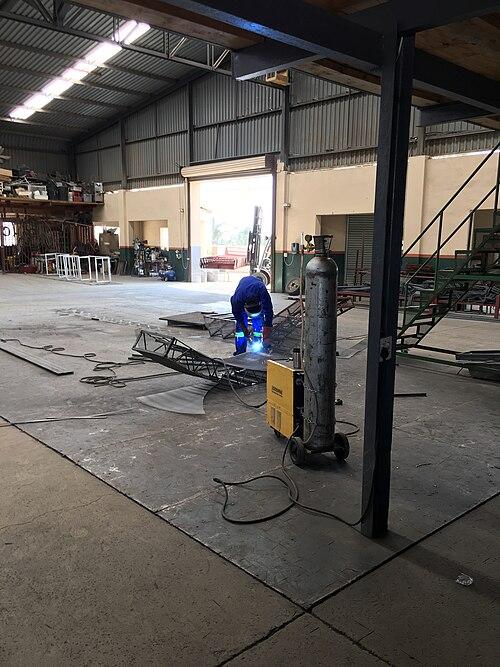
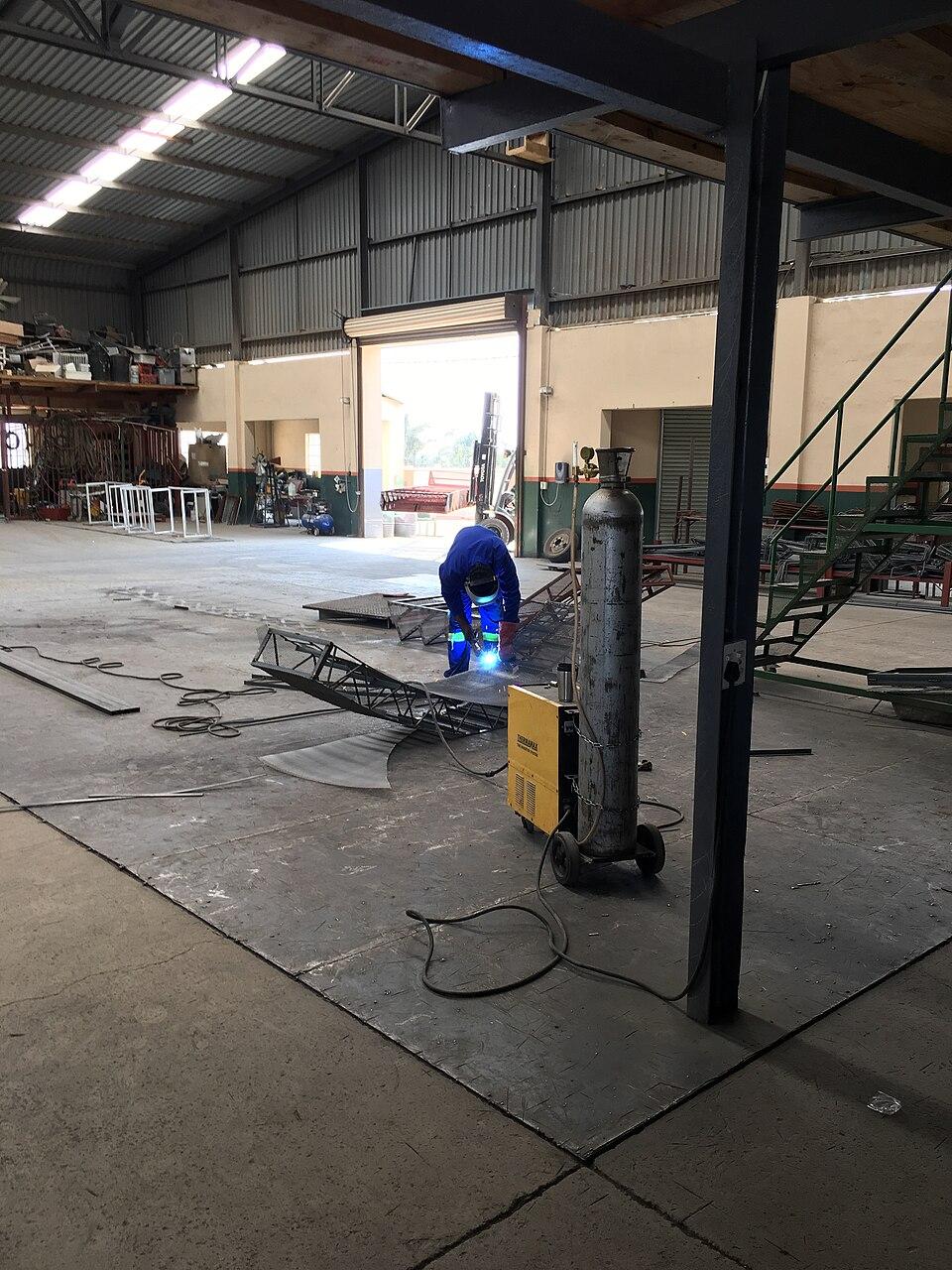
A supplier may offer a complete inspection pack for a fabricated steel component: dimensions, material certificates, loading photographs and a signed statement that its factory follows labour law. None of those records necessarily tells an EU buyer who made the steel, which subcontractor performed the finishing or whether workers in a critical upstream operation could leave their jobs freely. That distinction becomes commercially important under the EU Forced Labour Regulation.
The EU prohibition will apply from 14 December 2027 to products made with forced labour that are placed or made available on the EU market or exported from it. It is not a China-only measure, a steel-only measure or a rule limited to imports. The European Commission says all products, irrespective of origin, are covered. In June 2026 it launched a preparedness package and a central information portal to help companies start before enforcement.
The product is the unit of risk, not the supplier's certificate
For engineered components, a purchase order often passes through a trader, an assembly factory, a subcontractor and a raw-material producer. A buyer may know the invoicing company very well while knowing almost nothing about one labour-intensive process further upstream. An ISO 9001 certificate, product test report or mill certificate may support quality or traceability, but by itself it does not establish the absence of forced labour across the relevant product chain.
Start from the item actually being purchased: its description, critical subcomponents, producing sites and processing steps. A fabricated bracket with purchased fasteners and outsourced coating has a different map from a one-piece casting. Document what is known, what is based only on a supplier declaration, and what remains unverified. The aim is not to generate a glossy compliance badge. It is to make a sensible procurement decision with an evidence trail.

Do not invent a mandatory audit that the regulation does not require
The Commission is explicit: this Regulation does not itself introduce a general new audit or reporting obligation, nor does it prescribe a universal sustainability due-diligence procedure. Companies decide how to manage the risk. During an official investigation, however, they may be asked to provide information about how they address forced-labour risks in the relevant supply chain. A voluntary buyer questionnaire and carefully targeted supplier checks can therefore be useful controls, but should not be advertised as a legally mandated EU certification scheme.
This also means procurement should resist two opposite shortcuts: treating every supplier from one country as non-compliant, or treating a single signed declaration as conclusive proof of compliance. The Commission describes an authority-led, risk-based investigative process. Buyers should use credible, product-specific signals and consider the possibility of corrective action rather than relying on geography alone.
What a usable supplier evidence request looks like
- Identify the contractual seller, the actual manufacturing site, the main subcontractors and any material inputs that materially affect the product's supply chain.
- Show how the supplied lot or batch connects to those sites: order numbers, production records, delivery notes and meaningful subcontractor declarations where available.
- Explain how workers are recruited and employed at higher-risk operations, including labour agents, recruitment fees, identity-document retention and ability to leave employment; distinguish evidence from policy statements.
- Name an accountable contact who can clarify unknowns, provide updates if a manufacturing site changes and preserve supporting records subject to legitimate privacy and confidentiality controls.
- Record the unresolved questions and the buyer's chosen decision: proceed with documented conditions, hold the order for clarification, or reject a supplier when credible risk cannot be satisfactorily addressed.
These are commercial risk controls proposed for buyers, not a statutory list of five documents. Labour information can be sensitive: request proportionate, lawful evidence and avoid copying unnecessary worker personal data into a purchasing folder. A factory visit or third-party assessment may help on a particular case; neither should be described as proof that forced labour is impossible anywhere in the supply chain.

Where the current delivery schedule creates exposure
Consider a hypothetical industrial order signed in late 2026 for delivery into the EU in 2027. The supplier promises a December 2027 shipment and subcontracts coating to a new facility after the purchase order is signed. The cost and delivery terms may still be intact, but the buyer's original supplier assessment no longer describes the actual product route. The Commission's guidance makes clear that products still being made available on the EU market from the application date can be within scope, including products manufactured earlier. Check the actual commercial transaction and timing with the responsible EU party rather than assuming an earlier manufacturing date makes the product safe.
The sensible contract response is modest and concrete: require notification when an agreed critical manufacturing site or subcontractor changes; reserve a proportionate right to request additional evidence; and specify how substantiated concerns, remediation and delivery consequences will be handled. Do not promise that a particular audit report guarantees uninterrupted EU market access. Only the competent authorities determine violations and issue prohibition decisions under the regulation.
Separate quality release from labour-risk release
Quality inspection and labour-risk assessment are different decisions. A batch can pass dimensional inspection yet leave a material sourcing or labour-risk question unresolved. Equally, missing paperwork is not proof that a worker was coerced. Procurement should record the evidence gap as a gap, escalate a credible concern through an appropriate process and avoid making unsupported allegations about a named factory.
For a buyer comparing two technically acceptable offers, the meaningful question is not 'Which vendor has the longest ESG document?' It is which vendor can explain how this particular product was made, identify its critical production chain and respond credibly when risk questions arise? Building that capability before December 2027 is more useful than asking for an invented 'EU forced-labour certificate' at the shipping deadline.
The EU Commission's 2026 Single Portal and its implementation guidance provide the starting point. This article is general procurement analysis, not legal advice or a finding about any particular product, country or supplier.
Reading notes
Primary sources
European Commission and EU legislation verified on 12 November 2026. This is a general buyer decision guide, not legal advice, a mandated document checklist or evidence that any specific supplier uses forced labour.
European Commission, Directorate-General for Internal Market
Confirms the 30 June 2026 preparedness launch, 14 December 2027 application date and business-facing tools.
European Commission, Directorate-General for Internal Market
Scope across all products and origins; distinction between forced-labour prohibition and procedural audit or reporting duties; investigation and enforcement.
EUR-Lex, European Union
Legislation overview and 14 December 2027 application date.
Continue the decision
Related buyer guides
Verify the Steel Mill Behind a CBAM Emissions Figure
Another case where a supplier's corporate document must be linked to the producing installation.
An ISO 9001 Certificate Is Not a Factory-Wide Product Approval
Why certificate validity and scope must be checked against the actual factory and product.