Quality & Inspection
“Not Inspected” Is a Result You Still Have to Close
Missing reference samples and unavailable test equipment leave different gaps. Read the remarks, define the missing evidence and keep shipment authorization explicit.

An inspection report can contain pages of photographs and reassuring observations while leaving one purchase requirement unanswered. The line may say not inspected, not available, or simply that a check could not be performed. Before anyone treats that wording as harmless administration, ask what was missing: the product, the acceptance reference, access to it, or the means to test it.
These expressions are not a universal reporting code. Read the inspection company’s legend and the accompanying remarks, then ask for clarification where the wording is ambiguous. The important distinction is between an observed satisfactory result and a requirement for which no usable conclusion was reached. The latter needs a decision, even when the rest of the report looks complete.
An actual report shows two different gaps
Import QC publishes an anonymized sample report for a sealing-machine and PET-bottle order inspected on 7 August 2026. Its sample-report index describes the document as a genuine job, with identities withheld; it is watermarked as a sample and is not for contractual use. SourceRating has not independently audited that transaction. The document is useful here because its limitations can be read directly, without inventing a buyer’s experience.
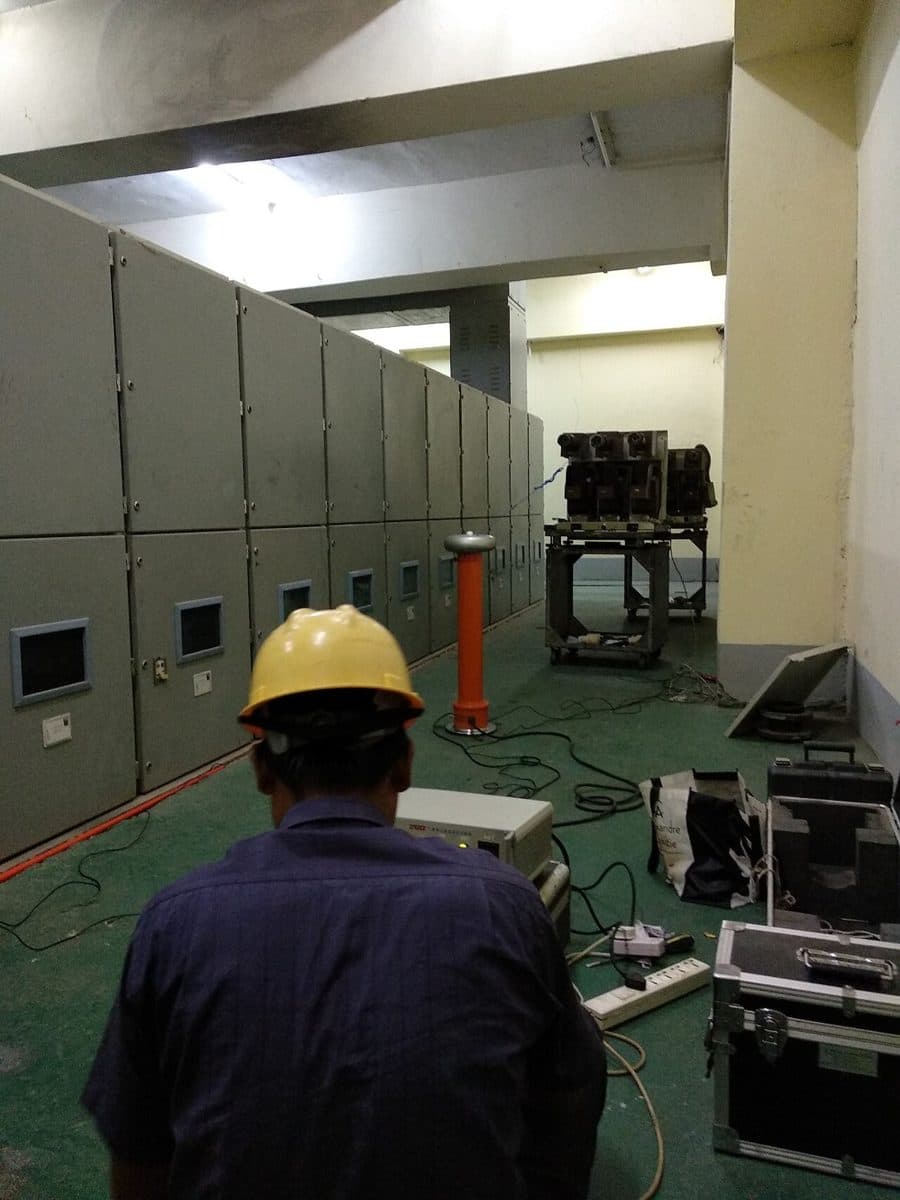
The opening remarks state that signed reference samples were not provided. They also say the factory lacked instruments for high-voltage and power testing of the sealing machine. The overall conclusion is pending. These are different unfinished questions: one concerns the reference against which a comparison could be made; the other concerns tests that the available resources could not support. Photographs of completed checks cannot answer either by themselves.
The practical response is to name each affected requirement. Which finish, feature or other agreed characteristic required the missing reference? Which specified test required unavailable equipment? Ask the inspection company to connect its limitation to the checklist item and the inspected product or order line. Avoid expanding the statement into a claim that every part of the inspection is invalid. Avoid shrinking it into a pass, too.
Separate a missing reference from a missing test
When a reference sample is absent, supplying more pictures may help explain the product but may not restore the agreed basis of comparison. ICW’s discussion of signed samples describes how an inspection can proceed with an incomplete understanding of the buyer’s requirements. That is practitioner guidance, not a rule that samples define every performance requirement. The buyer still needs the written specification and the relevant approved reference.
A sensible closure request identifies the missing reference, its approval status and the characteristics it governs. Ask whether the original observations can legitimately be assessed against it later or whether another visit is needed. Do not invite a retrospective rewrite that makes the reference appear to have been available on the inspection date. Preserve what the inspector actually saw and the information that was available then.
Unavailable test equipment calls for another route. Ask what test remains incomplete, what method and equipment the order requires, and who can perform and review it. The answer may involve a properly arranged return visit or an appropriate laboratory. This is a planning question, not permission for factory staff to improvise an electrical test. Where the requirement concerns safety or regulatory conformity, obtain the responsible technical review before deciding how to proceed.
The visit needs a workable setup
QIMA’s public inspection instructions make the preparation issue concrete. They call for accessible goods and the necessary test equipment to be ready before the inspector arrives, and ask for advance notice when machinery or equipment will be unavailable. Those are QIMA’s instructions; other providers may set different conditions. The broader buying lesson is to agree resources and access before paying for a visit whose critical checks cannot be completed.
Before a reinspection, confirm more than an appointment. Send the affected requirements and approved references, identify the equipment or facilities needed, and ask the inspection provider to confirm the planned scope. Name who will make the goods accessible. Ask what will happen if the same obstacle remains. A new date without a changed setup can leave the same unanswered line in a newer report.
Keep the evidence of closure attached to the original finding. It should identify what was checked, which products or order lines it covers, the result and the reviewer. If the later evidence has a narrower scope than the original requirement, retain that difference. An attachment saying only that the supplier has fixed the issue is a promise of completion, not an inspection result.
Someone still owns the shipment decision
The closure record should end in a named disposition: further evidence required, accepted against the agreed requirement, or a documented deviation sent to the authorized decision-maker. Whether shipment may proceed depends on the contract and the nature of the open requirement. There is no universal recommendation here to waive a check or hold an entire order for every missing item.
QIMA’s instructions tell suppliers to wait for client approval before shipping. A buyer can make that handoff explicit in its own order: a report’s conclusion informs the decision, while release authorization follows the agreed process. Do not ask an inspector to soften a limitation so the report looks easier to approve. Ask the person who owns the requirement to decide what evidence is still needed.
The most useful reading habit is to collect the unresolved lines before writing the release email. For each one, record the requirement, the reason it was not concluded, the next evidence and the responsible person. A report becomes valuable when its boundaries remain visible. “Not inspected” is information about work still open; the buyer’s next task is to close that work honestly.
Reading notes
Source notes
Primary material checked on 4 November 2026. The purchasing workflow is editorial advice; project acceptance remains with the agreed specification and authorized reviewers.
Import QC
Provider-published, anonymized report marked SAMPLE, not for contractual use. The provider's sample-report index describes genuine jobs; SourceRating has not independently audited the job.
Import QC
Establishes the publisher’s stated provenance and public sample status, not independent validation of its client or factory.
QIMA
Provider instructions require accessible goods, available equipment and advance notification of unavailable machinery; these are QIMA-specific instructions, not universal law.
ICW
Attributed practitioner discussion of missing signed reference samples and the distinction between inspection reporting and shipment authorization. Do not repeat the page’s broad claim that a signed sample represents all quality requirements.