Pricing & Negotiation
The Mold Is Paid For. Can You Actually Move It?
Compare the asset you own, the storage and care you receive, and the cost of the first accepted batch after a tool transfer—not just the mold charge.
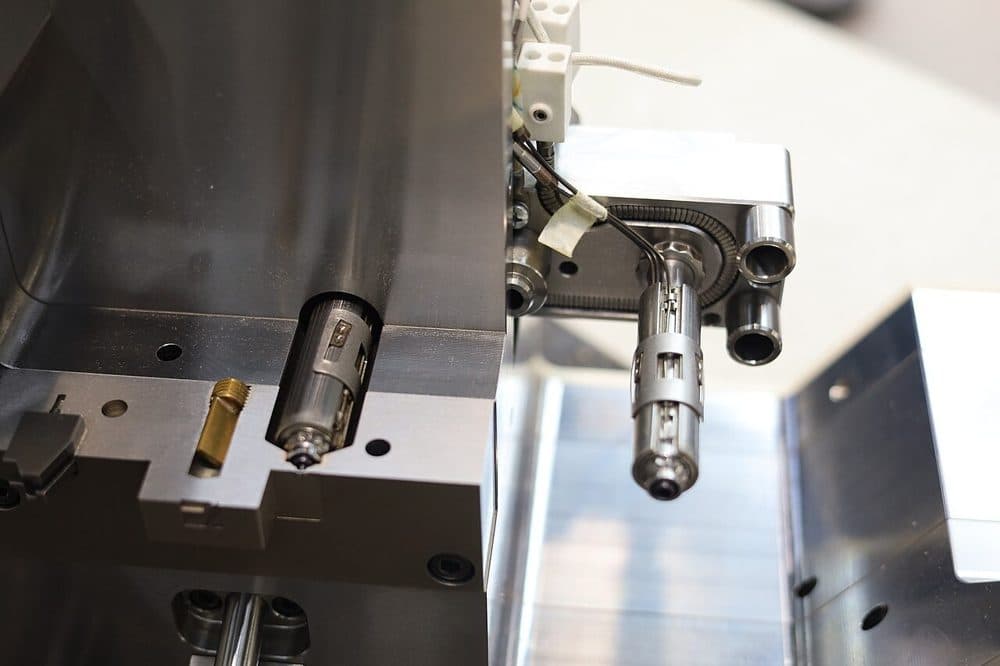

A tooling quotation can look complete while leaving the buyer's next sourcing decision undefined. The mold price is agreed, parts are being produced and the supplier says the tool belongs to the customer. Months later, moving production raises a different set of questions: which components can leave, who prepares them, what records travel with them and what the receiving factory must spend before making an acceptable part.
These questions belong in the original commercial discussion. Ownership, custody and practical portability are connected, but they are not the same promise. A useful quotation makes each one inspectable before the buyer becomes dependent on the tool.
Start with the asset, not the invoice label
Ask the supplier to define what the tooling price buys. Does it include a complete mold, cavity and core inserts, a shared mold base, hot-runner equipment, dedicated fixtures, spare components and gauges? Which items are supplier equipment that will remain behind? A short asset schedule with photographs and identifiers is more useful than an invoice describing everything as a “mold charge.”
Record the owner, the agreed ownership milestone and the entity holding the tool. If a third-party toolmaker will build or repair it, name that party and its location. Decide how the buyer will know where the asset is after a repair or transfer. These are terms to agree, not conclusions that can be drawn from the fact that a deposit was paid.
Bosch's North American non-mobility purchasing terms, revised February 2026, illustrate how specifically an industrial buyer can address these subjects. Their property and tooling provisions cover identification, custody, maintenance, outside toolmakers and return. They are Bosch's contractual allocation, not a general entitlement available to every mold buyer or a statement that every clause is enforceable in every jurisdiction.
Storage is a service with an end date
A supplier can offer a low initial tooling price while attaching different conditions to future use. Protolabs' published comparison of molding options explicitly distinguishes ownership and inactive-storage arrangements between its service options. This is a manufacturer's own offer, not an industry-wide tariff, but it shows why the buyer must compare the whole arrangement.
Ask when inactivity begins, how the supplier warns the buyer before storage ends and what happens if the buyer does not respond. Is extended storage chargeable? Who authorizes disposal? Are cleaning, corrosion protection and routine maintenance included, and how is their completion recorded? Specify a contact and a fallback contact; a tooling asset should not disappear because the original purchasing employee changed jobs.
Separate routine care from a design change or major repair. Request an approval process for work that changes cavity geometry, surface finish or critical components, together with a condition record and retained reference samples. Agree what the supplier must disclose before the next order is priced. “Lifetime maintenance” needs an operating definition if it is going to influence the sourcing comparison.
Quote the exit while everyone still wants the order
Ask for a transfer schedule alongside the production quotation. It should identify the notice period, inspection and release process, deinstallation responsibilities, lifting provisions, protective packing and transport handover. Ask whether there are charges for cleaning, dismantling, service work, packing, administration or outstanding agreed tooling amortization. Record what is included, what is excluded and how variable charges will be authorized.
Do not turn this into a demand that every possible future move must be free. The purpose is to make costs visible and avoid an undefined release condition. Commercial disputes, liens, intellectual-property rights and cross-border recovery can depend on the signed documents and applicable law. Have the actual arrangement reviewed for the relevant jurisdiction rather than copying a large customer's clause and assuming the problem is solved.
The receiving molder also needs a quotation. Provide tool dimensions and weight, mounting and service interfaces, runner and control details, drawings, material information, repair history and agreed reference parts. Ask it to identify required adaptations and the evidence needed to accept production. A transferable physical object may still need work before it fits the new process.
Price the first accepted batch at the new site
A sourcing comparison should include release and transport costs, incoming inspection, adaptations, trial material, testing and the inventory needed during transition. Keep uncertain amounts visible as allowances or items awaiting quotation. A precise-looking total built on unconfirmed assumptions can conceal more risk than an honest range.
Agree the acceptance milestone before the tool leaves. Who decides whether the receiving-site trial is acceptable, against which drawing revision and inspection plan? Which open defects must be resolved, and who owns the decision if the tool condition differs from the handover record? Tool release and production release should be separate decisions.
The strongest time to ask these questions is before awarding the mold. A slightly higher quotation with clear asset identity, care obligations and a workable exit may leave the buyer with a more useful sourcing option. The commercial value is not simply having an ownership sentence. It is being able to obtain another qualified source without discovering the transfer terms during the interruption.
Reading notes
Source notes
Primary sources opened on 4 November 2026. Named-company purchasing provisions are examples of their own agreements; the practical questions and evidence workflow are the author’s recommendations.
Robert Bosch LLC
Specific North American contractual terms; applicability, enforceability and mandatory rights not generalized
Protolabs
Attributed manufacturer service comparison; no general industry tariff or universal ownership rule