Contracts & Payment
The PO Names a Factory. The Invoice Names a Trader. Who Is the Seller?
An industrial factory can produce the goods while a trader invoices the buyer. Identify the legal seller, exporter and bank beneficiary before a deposit or customs release.

An industrial buyer issues a purchase order to a factory after checking the sample, lead time and manufacturing capability. A week before the deposit, the pro forma invoice arrives under a trading company’s name. The export paperwork may name yet another company. Nothing about this sequence proves deception: legitimate trading, agency and export arrangements exist. But it does mean that the buyer cannot rely on a familiar factory name to answer a more basic question: which legal entity is responsible for this sale?
For a fabrication contract, the name problem often appears late because the product questions were settled first. Drawings are approved, the workshop has been visited and the price is agreed. The invoice is treated as a clerical step. That is exactly the wrong time to discover that the parties disagree about who owes the goods, who can claim the payment and who should answer a defect claim.
A manufacturer is not necessarily the contracting seller
Separate the roles before asking anyone to reissue documents. There may be a manufacturer that actually makes the product, a contracting seller that promises to supply it, an invoice issuer that requests payment, an exporter or shipper named for transport and customs, and a bank beneficiary that receives money. One company can hold several roles; several companies can hold different ones. The names are not automatically required to be identical in every legitimate transaction.
The distinction is not invented by a sourcing agent. U.S. Customs and Border Protection’s commercial-invoice guidance expressly contemplates cases where the manufacturer and seller differ, and identifies the party responsible for invoicing the merchandise. The International Trade Administration describes the commercial invoice as a sale document between exporter and buyer and explains why customs authorities use it. Those sources address particular customs contexts; they do not decide the buyer's private contract or prove that every name variation is acceptable.



The mismatch to resolve is the one against the purchase order
Consider a hypothetical order for machined steel accessories. The signed purchase order names Factory A. Trading Company B sends an invoice in its own name and asks for payment; Factory A says B handles exports. That may be an ordinary structure—but the buyer still needs a documented answer. Is B the seller that has accepted the order, an authorized billing agent for A, an exporter acting for A or a proposed replacement contracting party? Those are different arrangements with different commercial consequences.
Ask for a short written explanation signed or confirmed by an authorized party under the buyer's supplier-verification procedure. Identify each company by registered legal name and address, not only an English trading name or a logo. Link the explanation to the purchase order number, the affected product and the proposed invoices. When the contract counterparty is actually changing, use the contract's amendment or novation procedure as applicable; do not let an invoice silently rewrite the deal.
A manufacturer may be willing to help with technical questions while the seller holds the legal obligation for delivery. Make that division explicit: who owns the warranty, who approves design changes, who accepts defects and who returns a deposit after cancellation? Do not assume the company with the factory photos must be the one bearing those obligations.
An invoice is evidence of a transaction, not proof of every role
The International Trade Administration distinguishes a commercial invoice from a packing list. A packing list helps describe packages, quantities, weights and marks; it is not a replacement for the invoice. The two should make sense together, but they are created for different purposes. Matching product descriptions and carton counts does not, by itself, establish the authority of a newly named seller.
U.S. CBP guidance asks for the foreign firm responsible for invoicing, ordinarily the seller or manufacturer, and explains the variant where they differ. In the United Kingdom, HMRC says the seller's invoice or equivalent payment request can support transaction-value evidence when authentic and sufficiently detailed. These examples show why the document chain matters; applicable requirements differ by destination, shipment and contractual structure. Confirm customs treatment with the responsible importer or licensed adviser rather than promising a universal seller-name rule.
The bank beneficiary is another approval—not an invoice footnote
Even after the seller's role is explained, the account receiving funds needs an independent check. The buyer may approve Trading Company B as an invoicing agent yet still have no authority to pay an unrelated account in Company C's name. Trace the payee to the documented contract and billing arrangement, then verify new payment instructions through a contact route established before the payment request arrived. A reply to the same email thread is not a substitute for that independent verification.
This is related to, but distinct from, the problem covered in our [supplier bank-account change article](/blog/supplier-bank-account-change-independent-verification): there the seller may be unchanged while payment details move. Here the seller, invoicer and manufacturer may be different legal parties from the outset. Both cases need a clean record of who authorized what, but they should not be collapsed into the same checkbox.
A small evidence pack is more useful than a broad assurance
A workable buyer record can fit on one page if it links to the real files. Record the signed purchase order and legal seller, the producing factory and its location, the invoice issuer and commercial reason for the difference, the exporter or shipper, and the verified beneficiary. Attach the relevant written authorization and note who accepted any amendment. The purpose is to let a new colleague reconstruct the decision without asking five people which WhatsApp message was decisive.



- Before deposit: match the proposed payee and invoice issuer to the contract, not just to the factory name on the quotation.
- Before dispatch: confirm the shipping and packing documents reflect the real goods and parties, and resolve any material conflicts with the importer or broker.
- After a change: preserve the updated authorized document and the buyer's approval; do not overwrite the original correspondence without an audit trail.
If a supplier cannot explain the structure, stop the affected payment or release under the buyer's normal controls and request clarification. That is a proportional commercial hold, not an allegation of fraud. Equally, a neat company chart is not sufficient if it cannot be connected to the signed order, actual goods and banking instruction.
A clearer question for a cross-border buyer
Instead of asking whether all documents display the same company name, ask: Can each named company explain its role, can an authorized person confirm the chain, and does the purchase order still identify the party that owes the goods? A factory, trader and exporter can work together legitimately. The buyer's job is to prevent the gaps between those roles from becoming gaps in payment authorization, customs evidence and responsibility when something goes wrong.
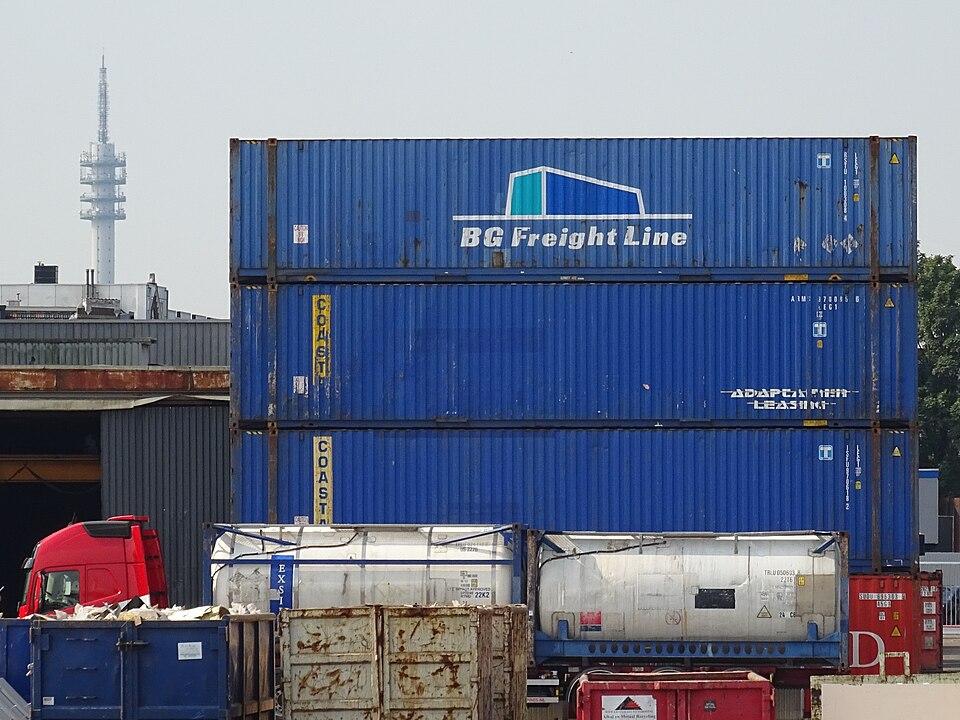
This is a practical purchasing framework, not a determination about any named business or legal advice. Customs and contract requirements depend on jurisdiction and transaction structure. The photographs are independent documentary illustrations, not evidence from the hypothetical order.
Reading notes
Official references
Primary government guidance checked on 14 November 2026. The article distinguishes U.S. invoice filing, UK customs-valuation evidence and buyer-level commercial controls; no one set of customs requirements is claimed to apply globally.
U.S. Customs and Border Protection
Identifies the required invoicing firm and explains the seller-manufacturer distinction; U.S.-specific customs context.
U.S. International Trade Administration
Distinguishes commercial invoices and packing lists and the information normally contained in each.
HM Revenue & Customs, UK
Discusses evidence of price paid or payable and when seller invoices can support UK transaction-value declarations.
Continue the decision
Related buyer guides
The Supplier Changed Its Bank Details. Verify the Route Before the Payment.
A separate control for changes to the intended beneficiary or payment route.
Your Quote Says DDP. Whose Name Goes on the Import Declaration?
Why the party paying duties and the importer-of-record role require explicit agreement.