Supplier & Factory
The Sample Passed. Which Factory Will Make the Order?
Connect an approved sample to the actual manufacturing site, outside processes and first production lot before an undisclosed route change becomes a delivery problem.

A good sample answers a product question. It does not automatically answer a production-location question. Before releasing a large order, the buyer needs to connect that sample to the company, site, equipment and outsourced operations that will actually make the goods. Otherwise, the approved object can become a reference for a process that has never been examined.
This is not an argument against subcontracting. A specialist heat treater, coating shop or toolmaker may be essential to a sensible supply chain. The risk is an unrecorded change: the sample comes from one route, the production order follows another, and nobody has agreed which differences require another approval.
Start with the sample's travel history
Ask the supplier to reconstruct how the approved sample was made. Record its identifier, drawing revision, material batch, production date and the address where the relevant operations occurred. Separate the company that issued the invoice from the company that manufactured it. A trading office can legitimately arrange production; its office address should not become the manufacturing address by default.
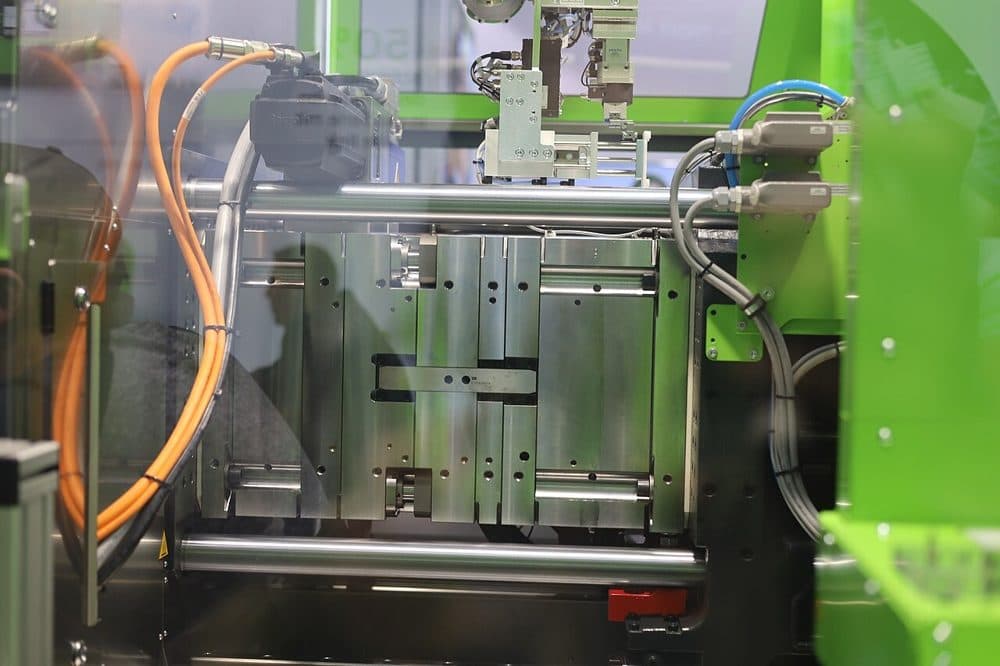
For a molded part, the useful questions include which tool and cavity produced the sample, which press ran it, and whether material preparation or finishing took place elsewhere. For fabricated steel, the route might include cutting, welding, galvanizing and packing at different locations. Record the route that matters to the specified product, rather than requesting a vague declaration that everything is made in-house.
The result should be a short, usable production map. Each critical operation gets a named company, a physical site, a responsible person and a record linking it to the sample. If the supplier cannot reconstruct the sample route, treat that as an unresolved qualification question. It is not proof of fraud, but it is a poor foundation for assuming repeatability.
Put the production site inside the approval
Volvo's published May 2021 purchasing conditions provide a useful industrial example. They distinguish sample approval from continuing supplier responsibility and require written consent before production is relocated wholly or partly. These are Volvo's contractual provisions, not rules that automatically apply to another buyer's purchase order.
The practical lesson is to describe what the buyer is approving. An approval record can identify the part and revision, the sample, the manufacturing site and the critical outside processes. Then specify which proposed changes must be notified before implementation. A move to a second building, a replacement coating subcontractor and a change of material source need different technical reviews; a single box marked “factory approved” hides those differences.
Make the notification route workable. Name who receives the request, who can authorize it and what production must wait for a decision. Silence in an email thread should not become an accidental approval mechanism. The actual agreement must define the commercial effect of a change and any stop or release decision.
Follow a real lot through the new route
A video tour can help orient a buyer, but the stronger question is whether one identified production lot can be followed through the claimed route. Select a lot from the actual order. Ask for its work instruction, material identification, in-process checks, outside-process handover and final inspection record. The identifiers should connect across the records without relying on an explanation invented after the photographs arrive.
For an outsourced operation, ask what physically travels to the processor and what comes back. Does the delivery record identify the batch or only a total weight? Does the processor's record identify the order, relevant specification and date? Who checks incoming parts after the outside operation? A certificate with the right process name but no link to the delivered lot leaves the central question unanswered.
Photographs should serve this investigation. Request a contextual view and a readable detail tied to the same lot, rather than a folder of attractive machines. A current factory sign, tool identifier or operation sheet can help locate the evidence, but none should be treated as a substitute for the connecting records.
A move needs a first-production decision
Lear's October 2023 supplier bulletin makes the operating problem unusually visible: its tool-move requirements address advance approval, shared tooling, production cover and approval before shipments from a new location. The bulletin extends the concern to processing, assembly and sub-supplier tool moves. Its automotive approval requirements are Lear-specific; copying the form is less important than understanding the interruption it controls.
For another buyer, the corresponding decision might be a witnessed trial, renewed dimensional checks, a material review or a first-lot inspection. Choose it according to the changed operation and the consequences of failure. Agree how accepted stock will cover the transition, how old and new lots will remain distinguishable, and what happens if the trial fails. A delivery date should not quietly erase the approval step.
Before production release, the purchasing and technical owners should be able to answer three questions together: where was the approved sample made, where will this lot be made, and which evidence establishes that the difference is acceptable? An openly managed second site can be qualified. An unnamed second site cannot be assessed simply because the sample on the desk looks right.
Reading notes
Source notes
Primary sources opened on 4 November 2026. Named-company purchasing provisions are examples of their own agreements; the practical questions and evidence workflow are the author’s recommendations.
Volvo Group
Volvo contractual example; not represented as current applicable contract for another buyer
Lear Corporation
Lear supplier-specific approval and transition requirements, not universal PPAP rule