Markets
The Freight Index Fell. Why Has the Supplier’s Quote Not Moved?
A spot-market signal and a supplier’s freight-inclusive price answer different questions. Compare scope, booking conditions and time before negotiating the difference.
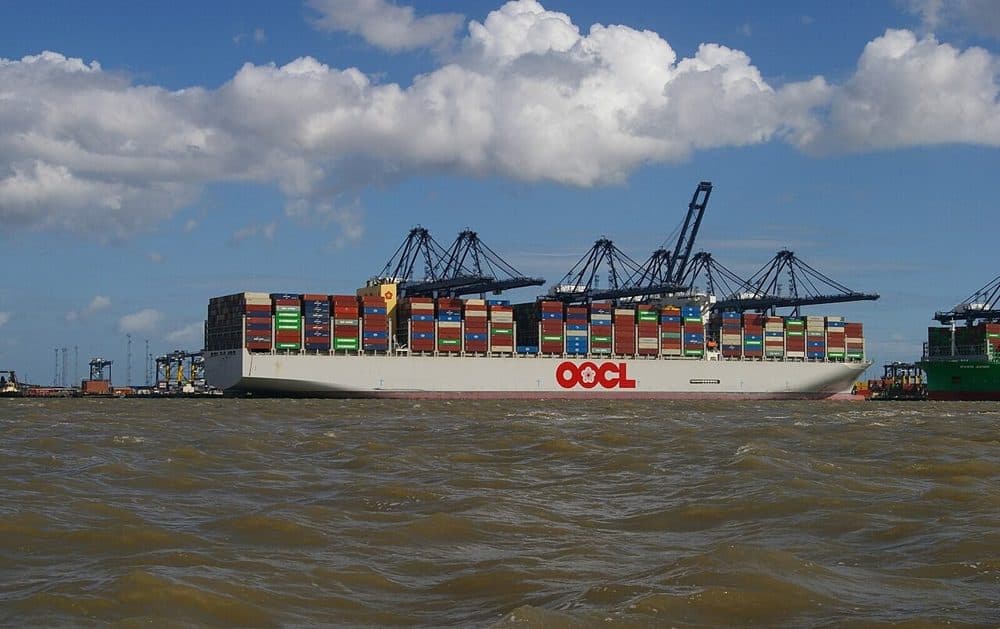

A buyer sees a falling container-freight chart and asks the supplier to reduce a quotation marked freight included. It is a reasonable commercial question. It becomes less useful when the chart and the quotation are treated as two versions of the same invoice. One describes a market observation. The other needs to describe a particular cargo movement and the seller’s promise to the buyer.
The right comparison starts with scope and dates. Which route and equipment does the market signal represent? Which departure window, origin, destination and services does the supplier’s price cover? Is the transport already booked, still being estimated, or subject to a stated validity period? Without those answers, the difference between the two numbers has no clear explanation to test.
The market signal still matters
UNCTAD’s 2025 Review of Maritime Transport provides a historical example of why freight comparisons need a period and a route. Its freight-cost chapter examines January 2024 to mid-2025 and describes how Red Sea rerouting lengthened voyages, reduced effective capacity and raised operating costs. This is evidence of how market conditions change; it is not a quotation for a November 2026 shipment or a forecast of the next sailing’s price.
Use a market movement to ask for a refreshed offer on the same shipping assumptions. Do not multiply a percentage change in a broad indicator into a supplier’s total delivered price and call the answer a verified saving. First establish what portion of that price the comparison can explain. If the seller will not separate transport commercially, ask for a revised inclusive offer alongside an offer that lets the buyer arrange the defined movement.
A confirmed rate has a defined scope
Maersk’s published Spot terms illustrate why the booking document matters. Confirmed rates are subject to specified exceptions; the terms address matters including situational surcharges, currency effects, extra services, cargo weight and booking amendments. This is a carrier-specific example, not a claim that every freight price can change freely. Read the applicable booking terms rather than transferring one carrier’s conditions to another supplier’s offer.
For an industrial order, send the same cargo description to everyone being compared. Include the packing dimensions and weight, equipment requirements, cargo readiness window and the exact collection and delivery points. If those details are provisional, ask which changes would require repricing. A rate for a different container or a different service boundary is another offer, even when both spreadsheets put it under an ocean-freight heading.
Then ask the supplier to mark the included and excluded services. Useful questions cover origin collection and handling, the sea leg, destination handling, documentation and onward delivery where relevant. Separately confirm how taxes, insurance and any special handling are treated. Do not infer an obligation from the phrase freight included alone. Record the named place, agreed trade rule and any additional commercial commitments in the actual offer.
The container has a clock as well as a price
Maersk’s detention and demurrage terms distinguish use of terminal space from use of the carrier’s container, and distinguish container time inside and outside the terminal. They also provide for location-specific arrangements and alternative combined charging. The practical point is to request the applicable free time, start and stop events, and charging schedule. A sea-freight amount by itself does not tell the buyer what happens after arrival.
Ask who will prepare the documents, arrange collection and return the empty container. If a project cannot receive the material immediately, include that constraint in the comparison before booking. Do not assume that a cheaper sailing creates a cheaper receiving operation. The buyer should see the remaining exposure and the party responsible for it, even if the purchasing team chooses to accept it.
Time also needs a boundary. Hapag-Lloyd describes its route-planning transit times as indicative and separates network exploration from departure schedules. Ask whether the supplier’s quoted time refers to the sea leg, port-to-port movement or arrival at the project’s receiving point. Record the planned routing and any transshipment, then ask what is confirmed and what remains an estimate. A scheduled vessel movement is not automatically a project delivery commitment.
Negotiate the difference you can identify
A short comparison sheet can carry both commercial and operational facts. Keep cargo, route, equipment and departure window together. Add the quoted validity, included services, exclusions, free time and delivery milestones. Identify any booking already placed and the consequences of changing it. Where the supplier holds transport risk in the agreed price, ask how the new proposal changes that allocation rather than demanding an unexplained pass-through reduction.
The supplier may be able to improve the offer; it may also be comparing a different departure or holding a commitment that the buyer has not seen. Neither explanation should be invented on the supplier’s behalf. Ask for the stated basis of the price and compare a fresh alternative with the same scope. Keep unverified reasons marked as unverified until the documents support them.
That approach gives the freight chart a useful role. It opens a negotiation and challenges an old assumption without pretending to be a shipment invoice. The best question is more precise than why the quote has not fallen: what would it cost to move this cargo, over this boundary, in this window, with these responsibilities? Once both sides answer that question, the price discussion has something solid underneath it.
Reading notes
Source notes
Primary material checked on 4 November 2026. The purchasing workflow is editorial advice; project acceptance remains with the agreed specification and authorized reviewers.
UN Trade and Development (UNCTAD)
Historical evidence of rerouting and freight-market volatility; no claim about a current November 2026 rate.
Maersk
Carrier-specific scope, exceptions, currency, services, cargo weight and amendment provisions. Not a statement that all carrier rates can change for any reason.
Maersk
Carrier definitions distinguish terminal-space storage from container use and distinguish inside/outside terminal periods.
Hapag-Lloyd
Carrier describes routing alternatives and indicative transit times, with schedules handled in a separate tool.