Steel structures
The Steel Is Fabricated. Why Won't the Galvanizer Accept It?
Fabricated steel can meet every dimensional tolerance on your shop drawings and still be rejected at the galvanizing plant gate. The clash is between fabrication geometry and the physics of molten zinc.
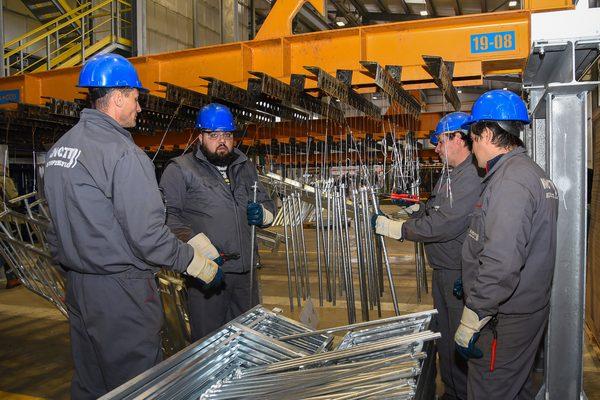
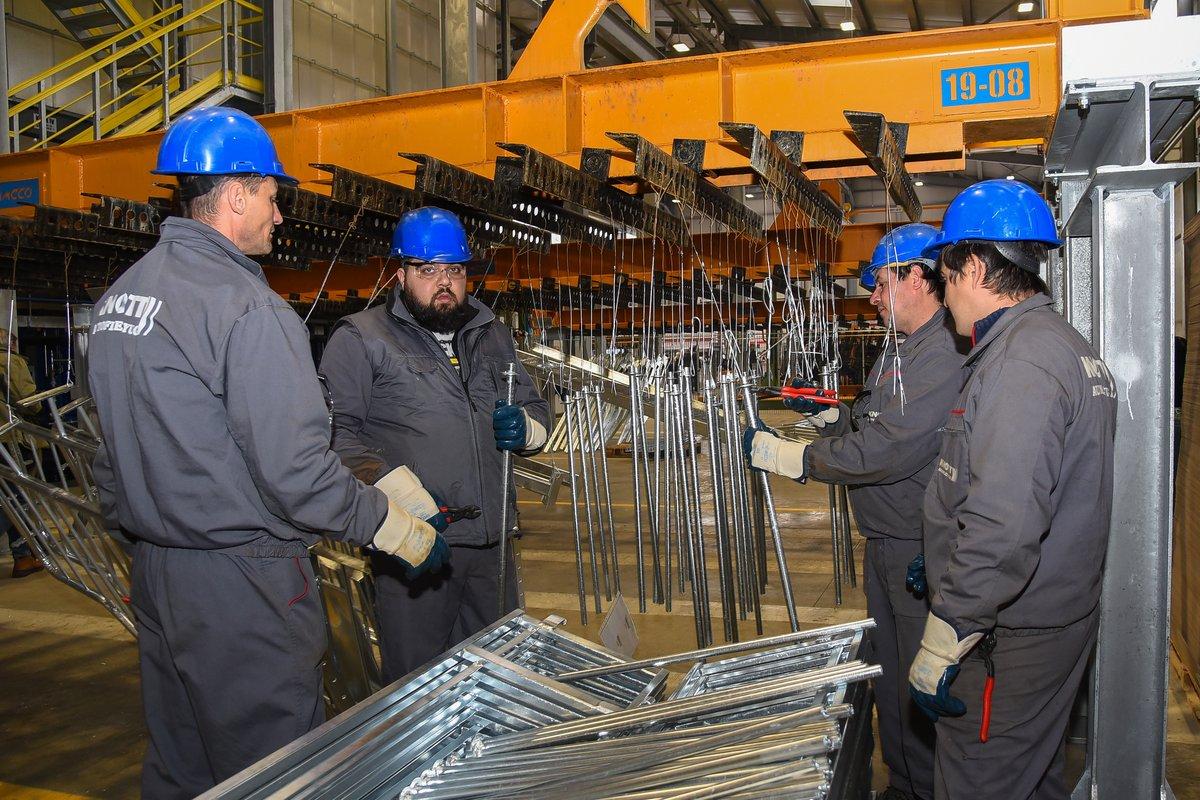

Why overseas buyers should verify design-for-galvanizing requirements—not just dimensional fabrication tolerances—before steel arrives at the kettle.
A steel fabricator in China may complete an intricate package of trusses, built-up columns, and hollow structural sections entirely to specification. The cutting is clean, the full-penetration butt welds pass ultrasonic testing, and the bolt holes align within fractions of a millimeter.
Yet when the flatbed trucks deliver the assemblies to the galvanizing plant, the yard supervisor stops the crane. The steel is refused admission, or set aside in a quarantine bay with an ultimatum: either the fabricator sends torch operators to punch dozens of unauthorized holes on-site, or the entire lot is sent back.
For an overseas buyer tracking milestones against an irrevocable letter of credit, this rejection is baffling. How can steel that passed factory inspection suddenly be rejected by a subcontractor?
The answer is that structural engineering drawings and hot-dip galvanizing physics belong to two different worlds. A design engineer details connections to resist bending moments and shear loads in ambient air. A commercial galvanizer must immerse that rigid steel body into a boiling bath of molten zinc at 440°C to 460°C (824°F to 860°F). If the detailing ignores the fluid dynamics and extreme thermal shock of the kettle, the steel becomes a safety hazard, a structural failure, or an uncontrollable commercial dispute.
1. The safety red line: why unvented steel explodes in molten zinc
The most non-negotiable reason a galvanizing plant turns away fabricated steel is crew safety. Galvanizers operate under strict safety standards because molten zinc does not forgive trapped moisture or trapped air.
When a tubular hollow section (HSS/SHS), pipe truss, or enclosed box beam is dipped into a 450°C zinc bath, any entrapped air rapidly expands. More dangerously, before entering the zinc bath, the steel passes through chemical pre-treatment: alkaline degreasing, water rinsing, hydrochloric or sulfuric acid pickling, and an aqueous flux solution. If liquid pre-treatment chemicals seep into a closed cavity through pinholes or incomplete welds, they cannot evaporate before immersion.
At 450°C, trapped liquid water converts instantly into superheated steam, expanding by more than 1,700 times its liquid volume in a fraction of a second. If the cavity lacks an adequate vent hole, the internal pressure exceeds the yield strength of the steel. The member ruptures violently inside the bath, generating a shockwave that throws hundreds of kilograms of molten metal across the factory floor.
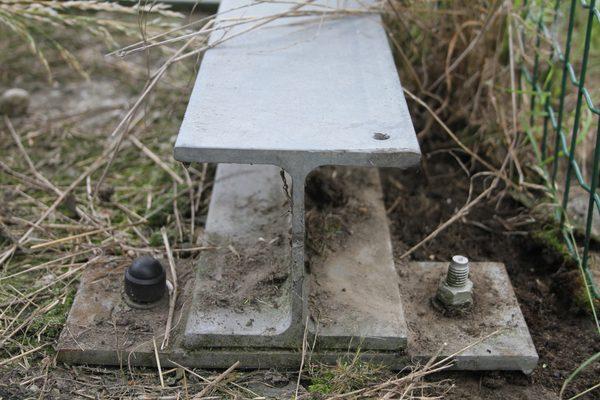
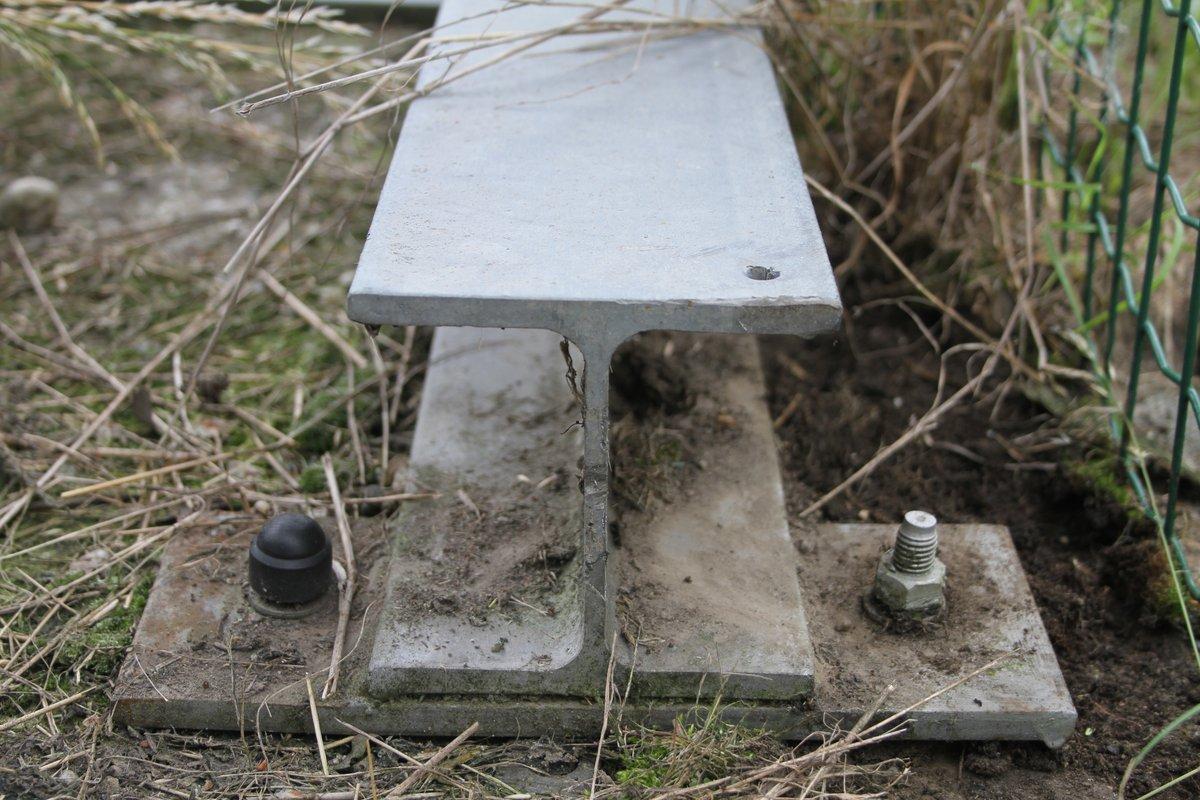

As the American Galvanizers Association (AGA) and ASTM A385/A385M govern, opening sizes must scale with member geometry rather than generic fixed holes. For example, AGA's pipe-column and pole guidance specifies internal end-plate or cap openings totaling at least 30% of the inside diameter area for members 3 inches (76 mm) and larger, and 45% for smaller pipes. European standard DIN EN ISO 14713-2 similarly links minimum vent diameters directly to the profile diagonal and cross-sectional area to prevent air locks during rapid submersion.
If your structural drawings did not clearly detail these venting holes, the Chinese fabricator rarely adds them spontaneously, fearing a non-conformance charge for altering an engineer-of-record design. When the pieces arrive at the galvanizer with sealed end-plates, rejection is instantaneous.
2. Fluid dynamics: buoyancy, zinc entrapment, and weight disputes
Even when explosion hazards are mitigated, commercial galvanizers will refuse steelwork whose geometry impedes the smooth inflow and drainage of molten metal.
Liquid zinc is a dense heavy metal, weighing approximately 6.6 g/cm³ (roughly 6.6 times heavier than water, and close to steel's density of 7.85 g/cm³). This creates two distinct physical challenges that direct shop floor decisions:
- Buoyancy and Floating: Large hollow sections, closed drums, or unvented structures have immense buoyant force in molten zinc. If the steel lacks adequate fill ports, crane hoists cannot submerge the component without dangerous external ballasting or chain rigging that can snap under stress.
- Zinc Entrapment and Deadweight: When steel is withdrawn from the kettle at an angle of 30° to 45°, molten zinc must drain rapidly back into the bath. If an internal stiffener, base plate, or gusset creates an unvented pocket, it acts as a ladle. Trapped zinc cools and solidifies inside the hollow body.
- Air Pockets and Bare Spots: Trapped air that cannot escape during dipping forms a cushion at the top of the cavity, preventing molten zinc from ever contacting the steel surface. The result is completely ungalvanized, bare steel hidden inside a finished structure.
Zinc entrapment is also a major financial conflict. Commercial galvanizers bill either per kilogram of galvanized output or pass excessive zinc consumption directly to the account. Solidified puddles inside built-up box girders can trap several tons of pure zinc. At global metal prices exceeding $3,000 per metric ton, a poorly detailed drainage layout can add thousands of dollars in wasted zinc costs, alongside unsupportable deadweight that violates crane lift capacities or bridge transport limits.
Technical documentation from galvanizing specialists, such as V&S Hot Dip Galvanizing's technical bulletins, explains how zinc freezing around undersized holes causes progressive blockage. If the drainage holes are too small (e.g., standard small weep holes instead of openings proportioned to the member's volume and length), the zinc begins freezing across the orifice before drainage completes, trapping hundreds of kilograms of liquid metal.
3. The lap-joint trap: acid bleed and post-galvanizing 'rust weeping'
Another frequent point of refusal involves contacting surfaces, overlapping plates, and stitch-welded doubler plates.
In structural drafting, designers frequently specify reinforcing plates, splice plates, or back-to-back angle brackets joined by intermittent fillet welds (stitch welds). In atmospheric exposure, paint bridges the seam. In hot-dip galvanizing, intermittent welds create a quality disaster.
During chemical surface preparation, low-viscosity hydrochloric acid penetrates the micro-gap between the contacting plates through capillary action. However, molten zinc has surface tension and cannot penetrate narrow crevices smaller than approximately 2.5 mm.
The trapped acid boils during dipping, producing violent splattering. Worse, after the assembly cools, residual pickling salts trapped in the crevice absorb ambient humidity and slowly weep out through the weld gaps over weeks. By the time the container arrives at the destination port, the pristine galvanized finish is defaced by prominent red and yellow rust stains running down the structural members—a phenomenon known in the trade as acid weeping or rust bleeding.
ASTM A385 and EN ISO 14713 lap-joint rules: Under ASTM A385 Section 8, overlapping surfaces larger than 100 cm² (16 sq. in.) must have a vent hole through one or both plates to allow pickling gas escape. Smaller overlaps must either be 100% seal-welded all around with full penetration, or spaced at least 2.5 mm apart using shims or washers to permit free zinc flow.
Experienced galvanizers inspect fabrication joints at the unloading bay. If they see large unsealed lap joints or stitch welds without venting holes, they will reject the shipment immediately to prevent customer claims over bleeding rust.
4. Metallurgy before the bath: silicon, phosphorus, and the Sandelin effect
A third category of rejection is metallurgical. Even when the geometry is sound, the chemical composition of the base steel can make proper galvanizing impossible.
Hot-dip galvanizing is not an applied paint film; it is a thermal diffusion reaction. The steel reacts with liquid zinc to form a series of intermetallic iron-zinc alloy layers (Gamma, Delta, and Zeta phases), topped by an outer layer of pure zinc (Eta phase).
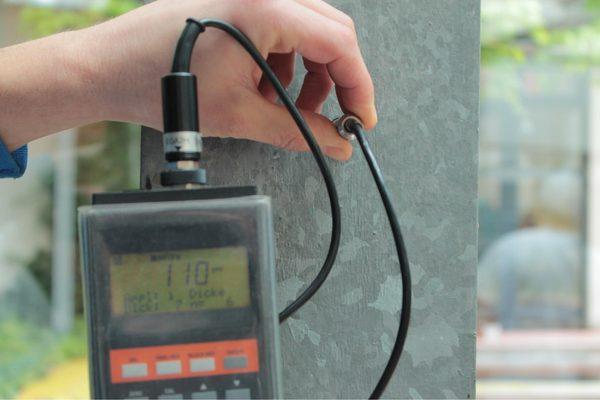
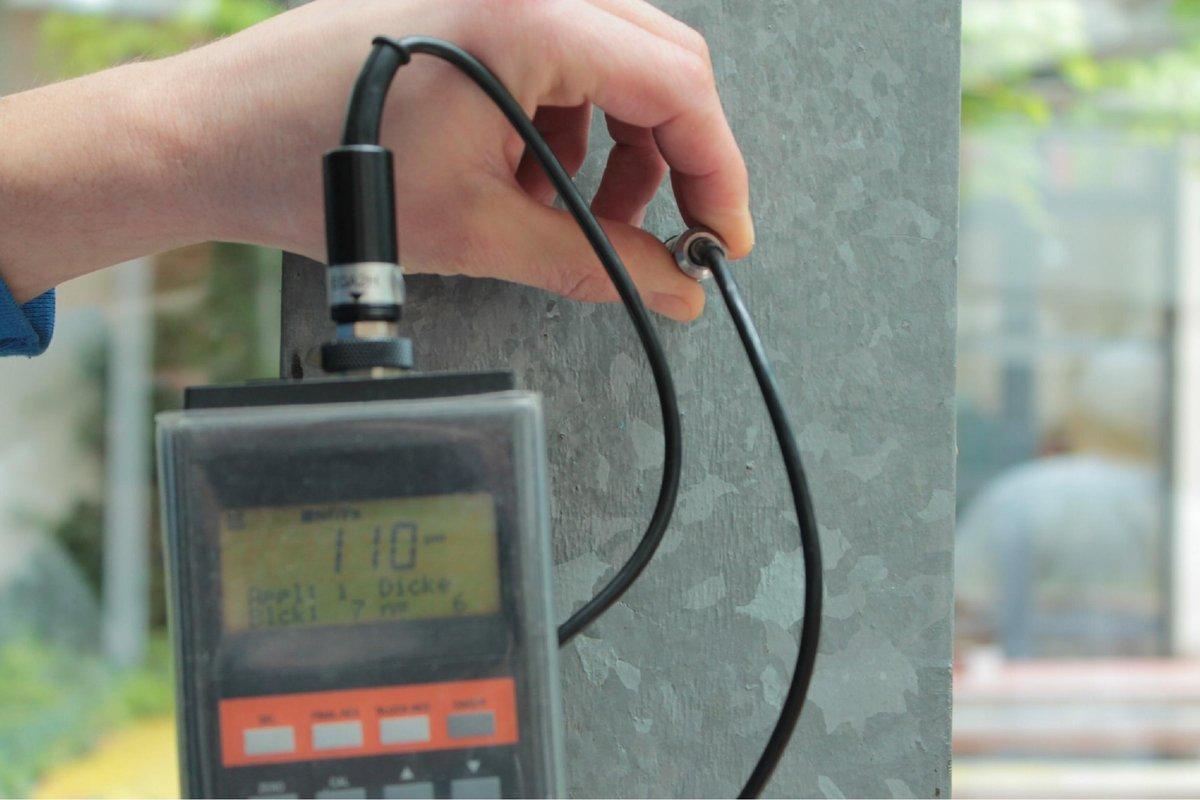

The rate of this reaction is governed primarily by two trace elements in the steel: silicon (Si) and phosphorus (P). When steel contains silicon in what metallurgists call the Sandelin range (between 0.04% and 0.14% Si), or exceeds 0.25% Si in combination with high phosphorus, the iron-zinc reaction becomes hyper-reactive.
Instead of forming a smooth, shiny coating that stops growing after a few minutes, hyper-reactive steel continues reacting until the brittle Zeta alloy phase reaches the exterior surface. The resulting coating has critical flaws:
- Extreme Coating Thickness: Instead of the nominal 70 µm to 100 µm specified by ISO 1461:2022 or ASTM A123, coatings can swell to 250 µm to 400 µm.
- Dull Gray, Mottled Appearance: The shiny pure-zinc Eta layer is completely consumed, leaving a dark, patchy finish.
- Severe Embrittlement and Flaking: Heavy Zeta alloy layers have high internal shear stress and minimal ductility. When handled, rigged, or transported overseas, the coating easily flakes, peels, or shatters off in large plates down to the bare steel.
Sophisticated galvanizers require Mill Test Certificates (MTRs) before dipping critical steel packages. If the mill sheet reveals silicon levels in the unstable Sandelin zone, the galvanizer will issue a formal disclaimer or refuse the job unless the client accepts non-standard appearance and peeling risks in writing.
5. H-beam copes and stiffener cutouts: the Japanese standard
One of the most practical references for structural steel galvanizing comes from the Japanese manufacturing industry. Detailed technical guidelines from Japanese galvanizers, such as Kowa Industrial (株式会社興和工業所), illustrate how H-beam web stiffeners and end connections must be handled.
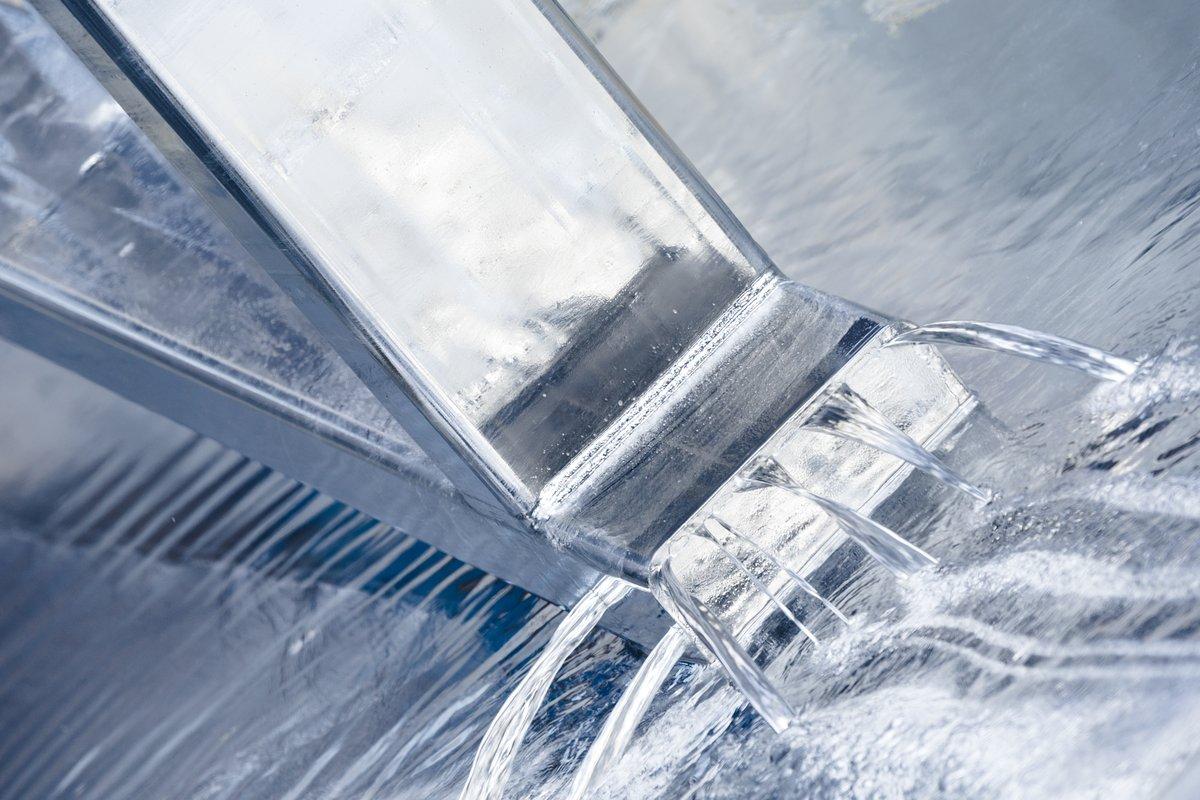
When internal transverse stiffeners are welded between the top and bottom flanges of an H-beam, they create four enclosed corners along the web. If the stiffeners are welded tightly into the fillet radii without cutouts, molten zinc cannot cross between bays during dipping.
Kowa Industrial's fabrication standards mandate that all stiffener corners must feature a cope cut (chamfer or snipe) of at least 30 mm x 30 mm, or a semi-circular cutout with a minimum radius of 25 mm to 35 mm at both the flange-web junction and the outer edges. This allows zinc to flow smoothly through the bays like water in a canal, ensuring complete coating without air entrapment or pooling.


Five checks buyers must enforce before steel fabrication begins
To prevent project delays, costly unapproved field torching, and bitter disputes between your fabricator and galvanizer, overseas buyers should institute five checks before approving shop drawings:
| Engineering Area | Common Fabrication Default | Required Galvanizing Detail | Governing Specification |
|---|---|---|---|
| Hollow Structural Sections (HSS/Pipe) | Closed ends with solid welded cap plates; no vent holes | Geometry-scaled end openings confirmed with galvanizer: minimum 30% cross-sectional area for members >=3" (76 mm), 45% for smaller pipes, or diagonal corner snipes/slots per ASTM A385 & ISO 14713-2 | ASTM A385 Section 7 / AGA Venting Guidelines / EN ISO 14713-2 |
| Beam Stiffeners & Diaphragms | Fitted tightly into flange-web fillets with continuous weld | Cope cutouts (minimum 30 mm x 30 mm chamfers or R25 snipes) at all four corners to permit zinc flow | Kowa HDG Standard / AGA Design Guide |
| Overlapping Gusset & Splice Plates | Intermittent stitch welding with unsealed capillary edges | 100% continuous seal welding with internal vent holes, or clear >=2.5 mm gap using spacers | ASTM A385 Section 8 |
| Steel Chemical Composition | Purchased solely to structural grade (e.g., Q355B / ASTM A572 Gr 50) without chemical checks | Verify Mill Test Reports for Sandelin range compliance: Si < 0.04% or 0.15%–0.22%, and P < 0.02% | ASTM A385 Section 4 / ISO 1461 Table 1 |
| Lifting and Rigging Points | No dedicated holes; reliance on lifting clamps in shop | Dedicated lifting lugs or oversized crane suspension holes located along center-of-gravity axes for angled dip | AGA Best Practices / EN ISO 14713-2 |
Summary: design for the process, not just the load
A steel fabrication yard and a galvanizing facility have different commercial priorities. The fabricator aims to minimize weld volume, cut edge preparations, and finish assembly quickly. The galvanizer aims to submerge the steel safely, coat it evenly, and withdraw it without explosion risk or trapped metal.
When an overseas buyer does not explicitly require Design for Galvanizing (DFG) on the submittal drawings, the two suppliers will inevitably point fingers at each other when delivery trucks are stalled at the gate.
The remedy is simple: insert mandatory galvanizing detailing rules into your purchase order package, require your third-party quality inspector to check vent hole dimensions during fit-up inspection before final welding, and ensure the mill sheets are screened for silicon and phosphorus before the raw steel ever touches a plasma cutter.
Reading notes
Official references for the project audit brief
These sources help define the audit questions, but the contract, approved drawings, project specification, destination rules, and current standard editions remain controlling.
metallbau Magazin / Charles Coleman Verlag
German industry analysis of revisions to DIN EN ISO 14713-2 governing design and venting requirements for hot-dip galvanized structural hollow sections.
V&S Hot Dip Galvanizing
Practical explanation of zinc freeze-off and zinc ash plugging in undersized drainage ports.
Kowa Industrial Co., Ltd.
Japanese galvanizer technical standard for cope cuts, flange snipes, and drainage holes on structural H-beams.
American Galvanizers Association
AESS and structural steel design guidelines for hot-dip galvanizing, venting, distortion control, and ASTM A385 compliance.
American Galvanizers Association
Technical specification of cross-sectional opening percentages (30% for >=3" and 45% for <3" pipe) for hot-dip galvanizing.
ASTM International
Standard specification establishing steel chemistry limits, venting and drainage rules, and embrittlement avoidance for hot-dip galvanizing.
ISO
International standard specifying coating thickness requirements, surface inspection criteria, and repair limits.