Packaging & Logistics
A $750 Shipping Surcharge Can Become $1,150. The Difference Is Container Weight.
From 23 November, Maersk's Asia–Mediterranean peak-season charge is USD 750 for a 20-foot box. A separate USD 400 heavy-load charge can apply above 25 tonnes VGM. The details matter for steel and industrial buyers.
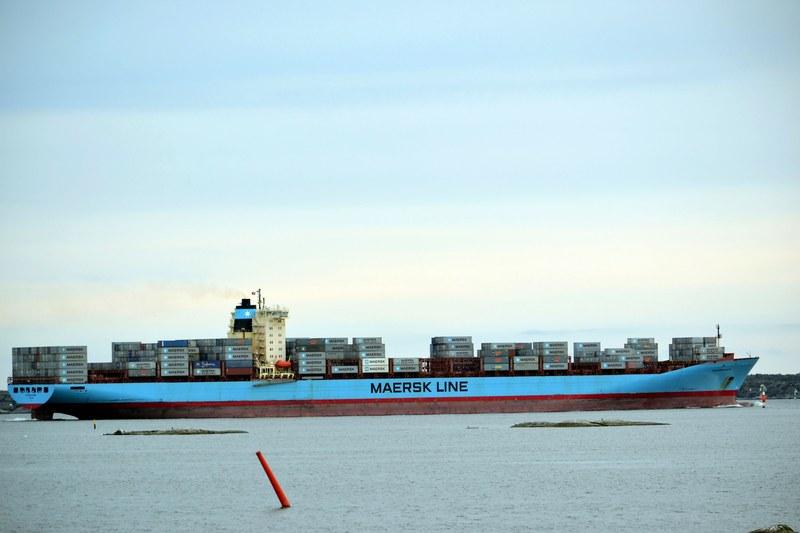
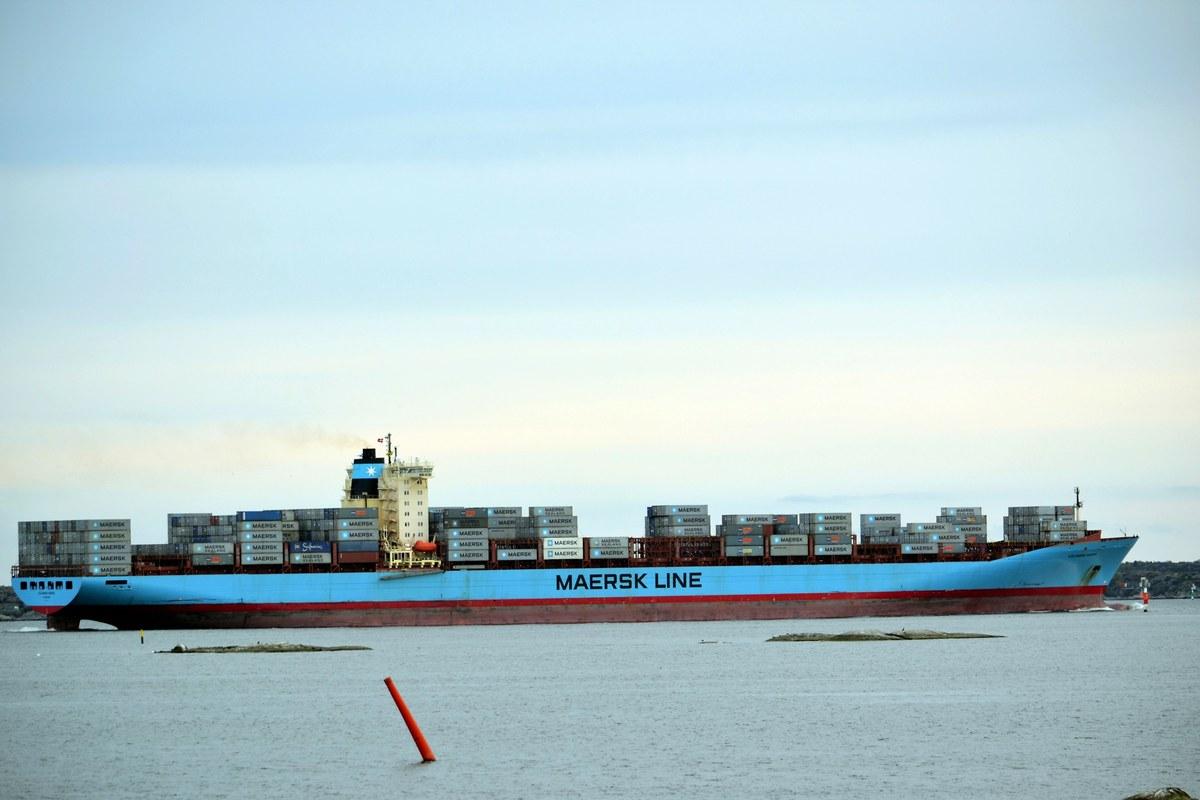

A container can be within the permitted payload and still trigger a heavy-load fee. For buyers shipping steel components, fabricated assemblies or dense industrial cargo, that difference is about to matter on a specific trade lane: Far East Asia to the Mediterranean. Two Maersk advisories published on 4 November 2026 should be read together, not as unrelated freight headlines.
The first advisory sets a peak-season surcharge (PSS) from a price calculation date of 23 November 2026: USD 750 per 20-foot container and USD 1,500 per 40- or 45-foot container. The second sets a USD 400 heavy-load surcharge (HWS) for 20-foot equipment when the verified gross mass (VGM) exceeds 25 metric tonnes, also effective from 23 November. Maersk lists dry, open-top, flat-rack and other 20-foot equipment within that weight-triggered scope.
One shipment, two distinct cost lines
| Maersk charge | 20-foot equipment | 40/45-foot equipment | Trigger from official notice |
|---|---|---|---|
| Peak-season surcharge (PSS) | USD 750 | USD 1,500 | Applicable Far East Asia–Mediterranean scope, PCD from 23 Nov 2026 |
| Heavy-load surcharge (HWS) | USD 400 | Not specified by this 20-foot advisory | 20-foot equipment with VGM greater than 25 metric tonnes; PCD from 23 Nov 2026 |
If a 20-foot shipment meets the conditions for both notices, those two published surcharge lines could add to USD 1,150 before the underlying ocean freight rate and any other applicable charges. That is an illustration of two posted tariffs, not a binding quotation or proof that every booking will be billed both amounts. Confirm equipment, trade scope, Price Calculation Date, customer contract and the carrier's live tariff before relying on the total.
Equally important, the USD 400 notice is specific to 20-foot equipment. It does not say every 40-foot container above 25 tonnes incurs the same fee. Procurement teams should not extrapolate a surcharge from one equipment class to another, or assume that Maersk's rule represents every carrier's tariff.
The 25-tonne threshold is not the weight of the steel
For buyers of heavy fabricated components, the dangerous shortcut is to compare the material weight on a supplier's packing list against 25 tonnes. That is the wrong measurement. Verified gross mass covers the packed container: goods, pallets, dunnage, bracing and other securing material, plus the container's own tare mass. It is not merely the net mass of steel shown on an invoice.
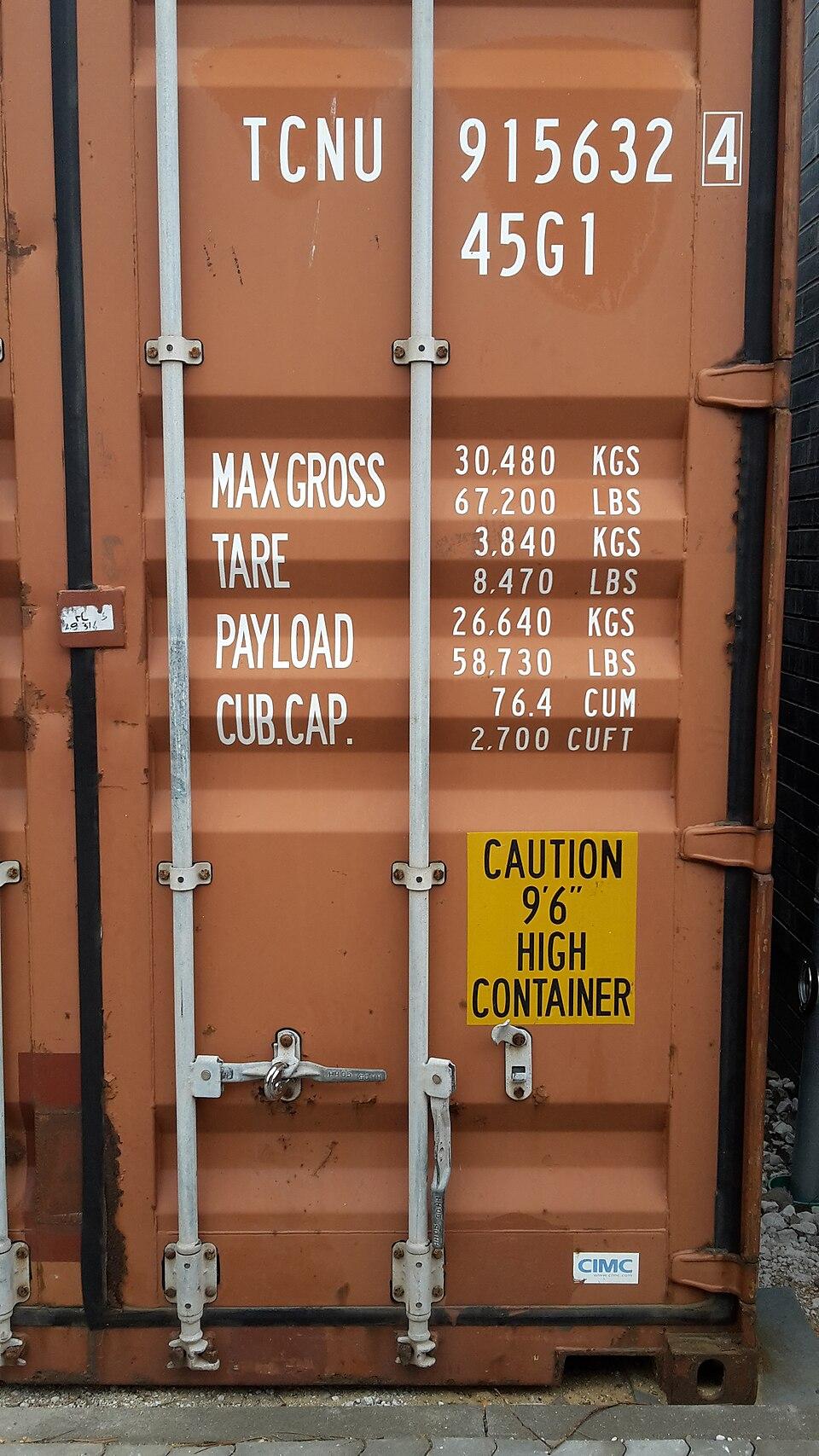
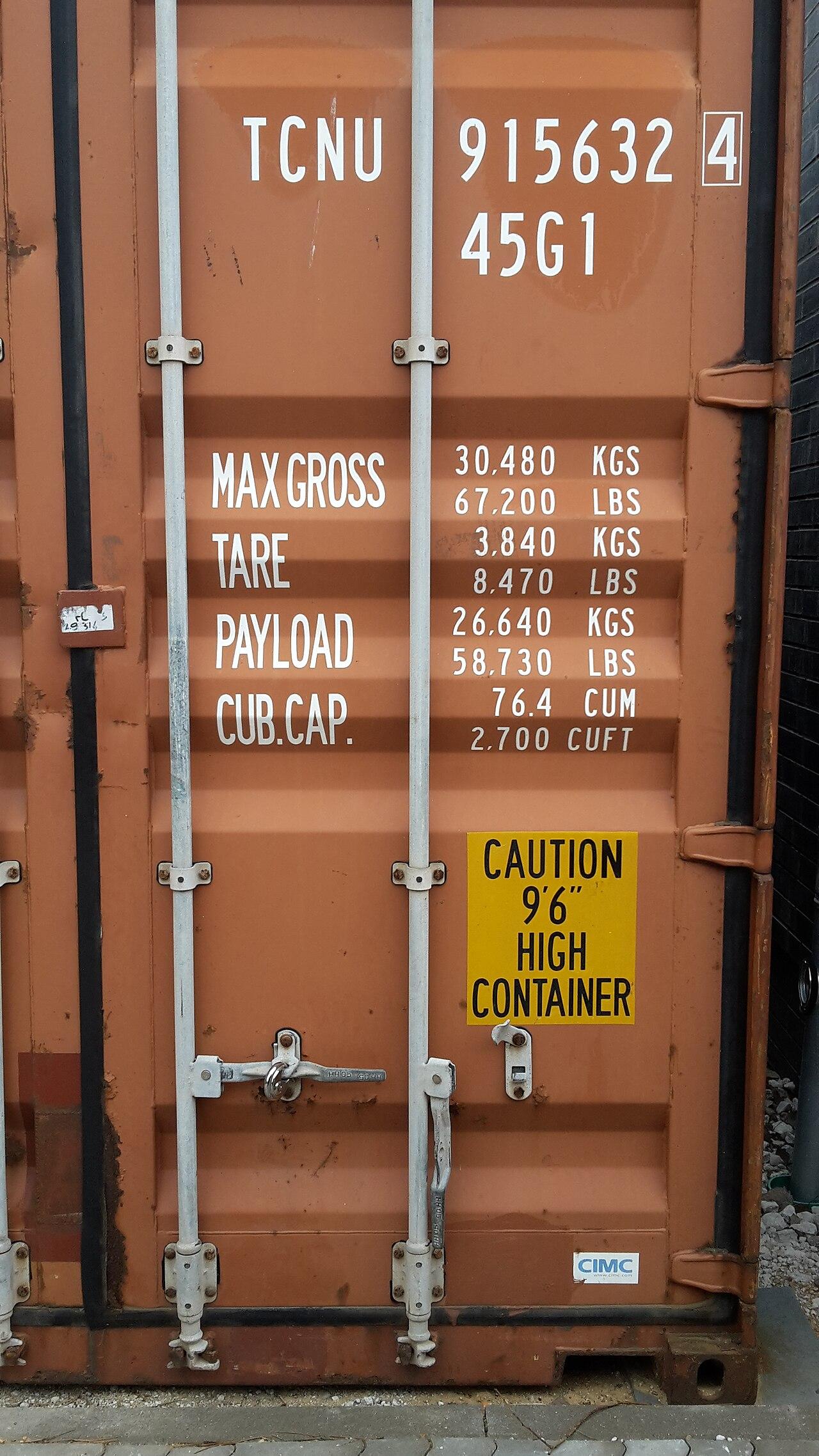

Consider a fictional 20-foot shipment carrying 23.1 tonnes of manufactured goods. If its packaging and restraints weigh 0.5 tonnes and its container tare is 2.2 tonnes, the packed gross mass would be 25.8 tonnes. Under the stated threshold, that example exceeds 25 tonnes even though the goods themselves do not. The actual value must be obtained through an accepted VGM method; a desk calculation based on assumed tare is not a substitute for compliant verification.
The International Maritime Organization's SOLAS guidance assigns responsibility for supplying verified gross mass to the shipper identified under the relevant shipping document or carriage contract. It describes two permitted approaches: weighing the packed container or, where approved by the relevant authority, adding measured cargo and packing masses to the container's tare. Neither approach allows a buyer to treat an unverified supplier estimate as the final declaration.
A booking date and a freight-effective date are not the same thing
Both Maersk notices use a Price Calculation Date (PCD), but the applicable rule depends on the booking product and regulatory scope. For non-SPOT, non-FMC bookings, the carrier describes PCD as the scheduled first-water-leg departure date at booking confirmation. The heavy-load advisory separately says its SPOT rates use the booking-confirmation date. These distinctions are not permission to generalize a single PCD rule to every carrier or contract.
For a supplier preparing a heavy machine assembly, the commercial decision comes before the terminal: obtain an itemized carrier quotation that shows both surcharge codes, the equipment type, the proposed verified mass and the PCD actually used. A cargo-ready date in the purchase order is not sufficient evidence of the carrier's pricing basis.
The buyer's practical safeguard is a better handover
An importer can control this risk without trying to predict freight rates. Ask the supplier or forwarder for a booking-confirmation copy, a shipment-specific VGM record, a breakdown of carrier surcharge lines, and the agreed written rule for who bears later freight-rate changes. The last item matters particularly when the quoted goods price includes freight but does not expressly allocate later carrier surcharges.
The destination also needs checking against the actual routing. Maersk's Mediterranean list includes numerous destinations and can extend to certain other European destinations using Mediterranean final discharge ports. The relevant condition is the carrier's defined origin/destination scope, not an informal assumption that 'Europe' is one tariff zone.
The manufacturing decision is not simply whether to squeeze the same cargo into a 40-foot container. Container capacity, axle loads, load distribution, allowable gross mass, restraint design, handling and destination access remain separate constraints. Changing equipment purely to avoid one tariff can create a more expensive or unsafe transport plan.
The two advisories are useful because they show where a procurement budget can fail: the rate line visible in the initial quote is not always the total cost of the actual packed shipment. For dense industrial cargo, the carrier's definition of VGM and the booking's tariff date deserve the same scrutiny as the purchase order and invoice.
Rate notice check: 9 November 2026. These are announced carrier tariff items for a specified lane, not all-in freight prices, cargo-booking guarantees or a statement of legal liability. Final applicability must be confirmed against the live carrier tariff and the actual contract.
Reading notes
Primary sources and verification
Official notices dated 4 November 2026 and IMO's standing SOLAS VGM guidance, checked 9 November 2026. Calculations are labeled hypothetical and do not represent a carrier quote.
Maersk
4 November 2026. Rate USD 750 for 20 feet, USD 1,500 for 40/45 feet, PCD effective 23 November 2026. Describes trade and equipment scope and non-SPOT PCD rules.
Maersk
4 November 2026. USD 400 per 20-foot container with VGM exceeding 25 tonnes, PCD effective 23 November 2026. Includes SPOT and non-SPOT conditions.
International Maritime Organization (IMO)
SOLAS VI/2 shipper duties and approved gross-mass verification methods; this obligation has existed since 2016 and is not a new 2026 rule.
Continue the decision
Related buyer guides
The Packing List Adds Up. The Container Weight Still Doesn’t.
How to reconcile container tare, dunnage and shipment mass without confusing net cargo weight with VGM.
Maersk Added a $2,000 Peak Surcharge to the Gulf. Who Pays When the Ship Slips?
A separate Far East–Middle East surcharge notice, with different geography, prices and dates.