Quality & Inspection
“Not Inspected” Is a Result You Still Have to Close
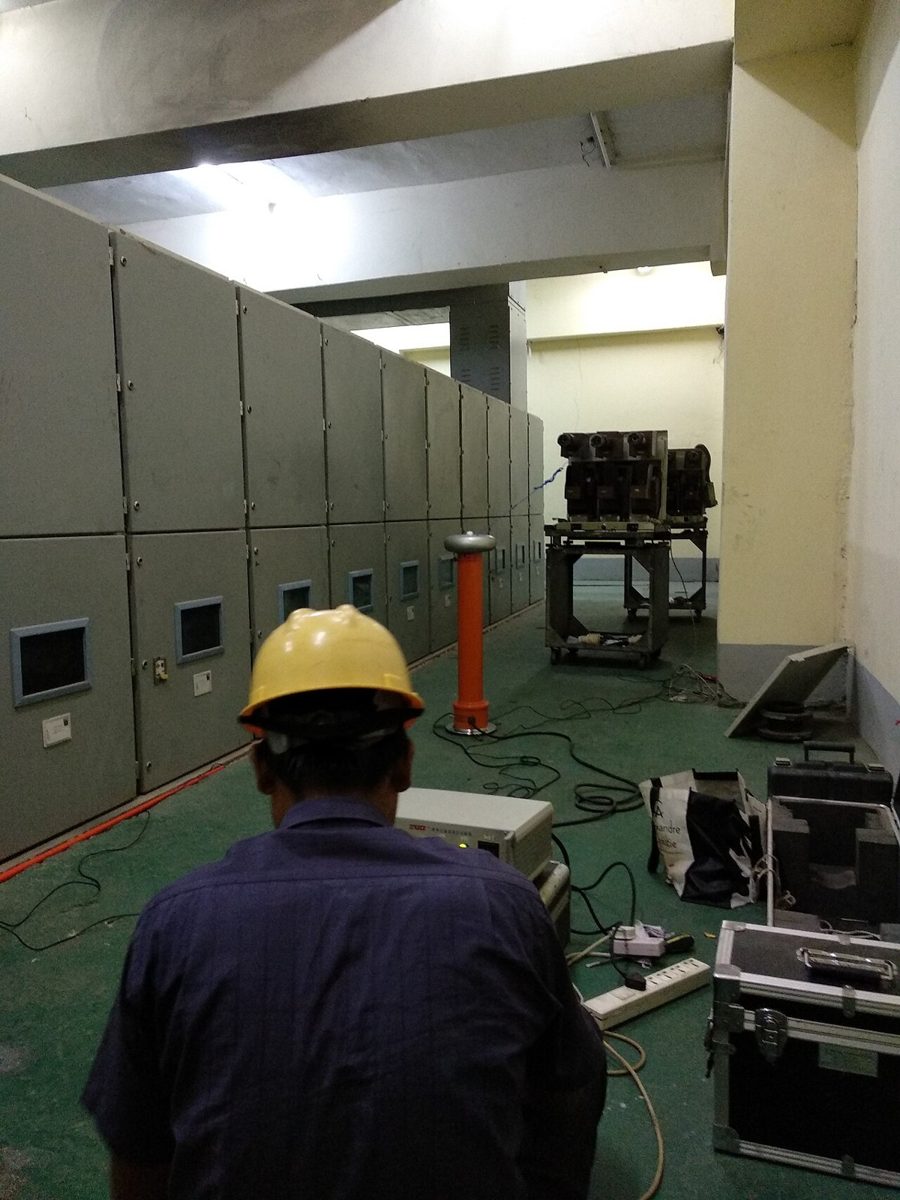
Missing reference samples and unavailable test equipment leave different gaps. Read the remarks, define the missing evidence and keep shipment authorization explicit.
Missing reference samples and unavailable test equipment leave different gaps. Read the remarks, define the missing evidence and keep shipment authorization explicit.
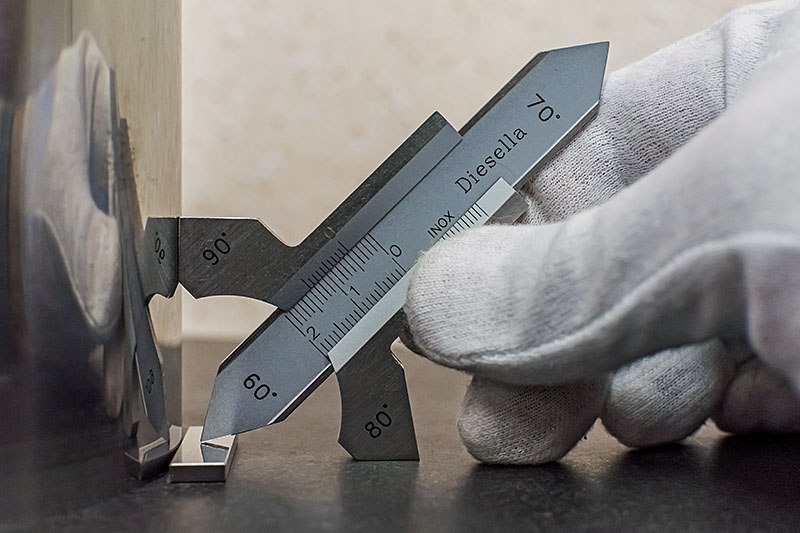
A clean weld photograph shows that somebody looked. It does not say which joint, on which member, to which drawing revision, was examined against which acceptance basis. Buyers need those links before release.
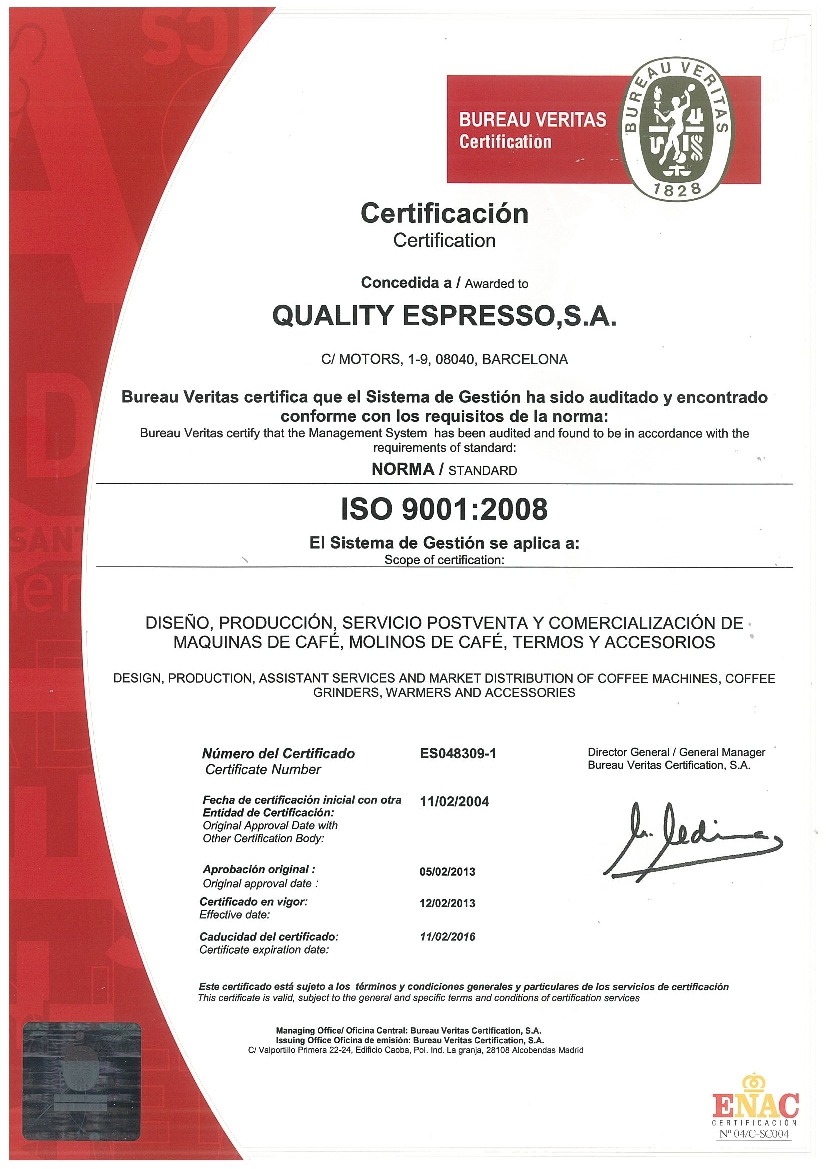
Verifying an ISO 9001 certificate is only the beginning. A buyer still needs to connect the named organization, covered activities and production location to the order being placed.
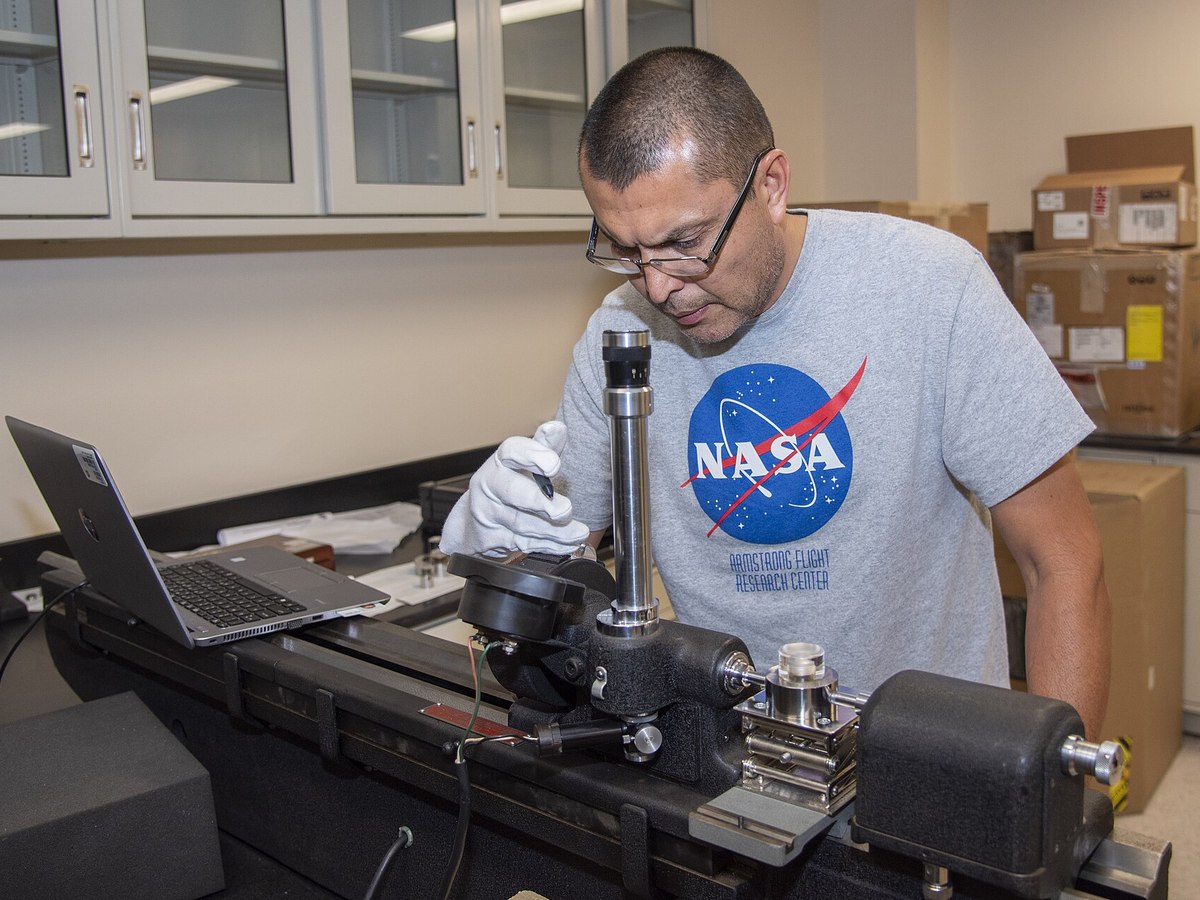
A current sticker answers a question about an instrument's calibration status. It does not, by itself, establish that a measurement is suitable for accepting a tightly toleranced part.
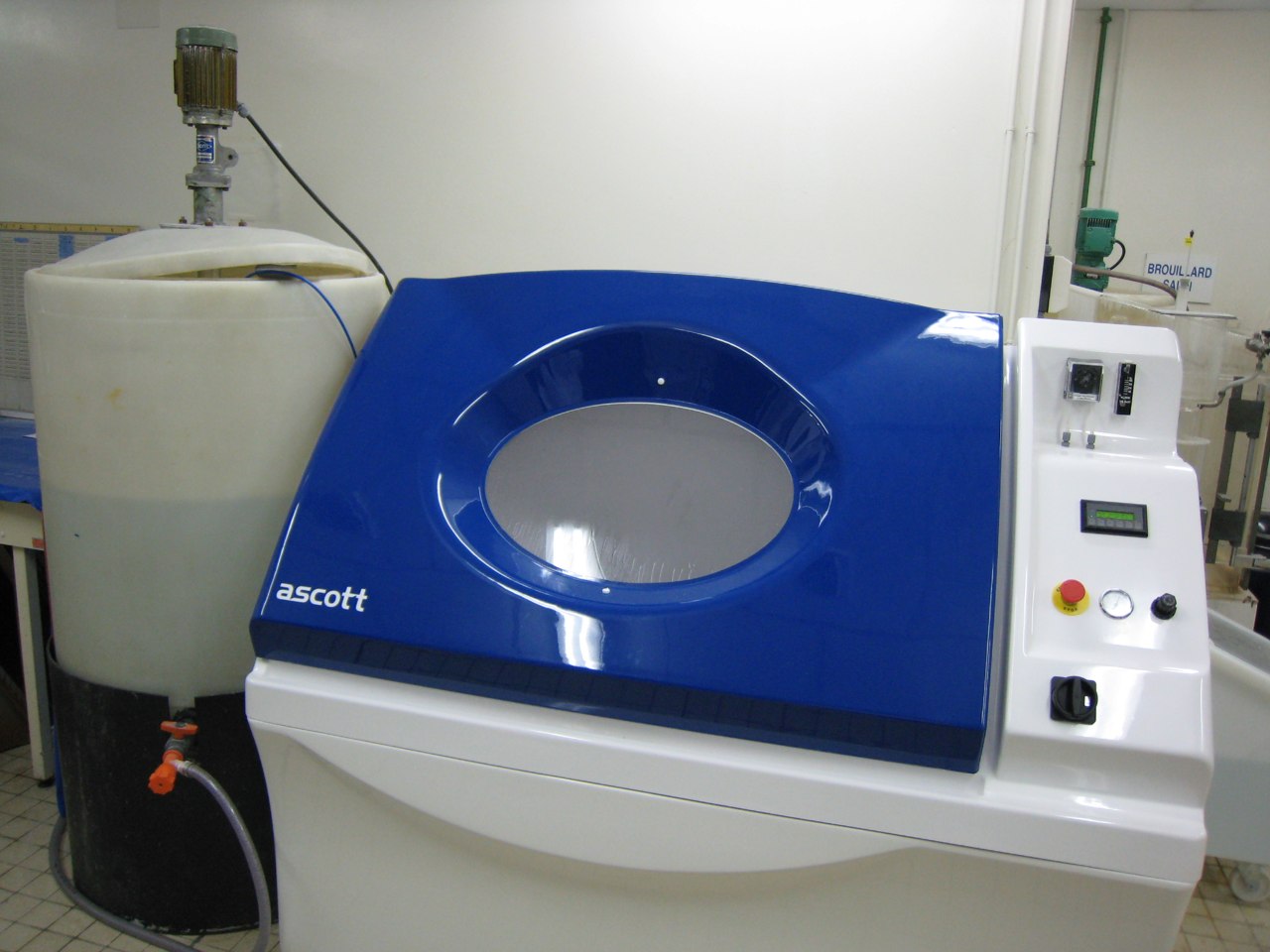
A long laboratory exposure can be useful evidence. Turning it into a promise of outdoor life requires a different argument—and a much more specific description of what was tested.
The logo on the report is not the end of the enquiry. The useful question is whether the laboratory's accredited scope covers the particular work your purchase requires.
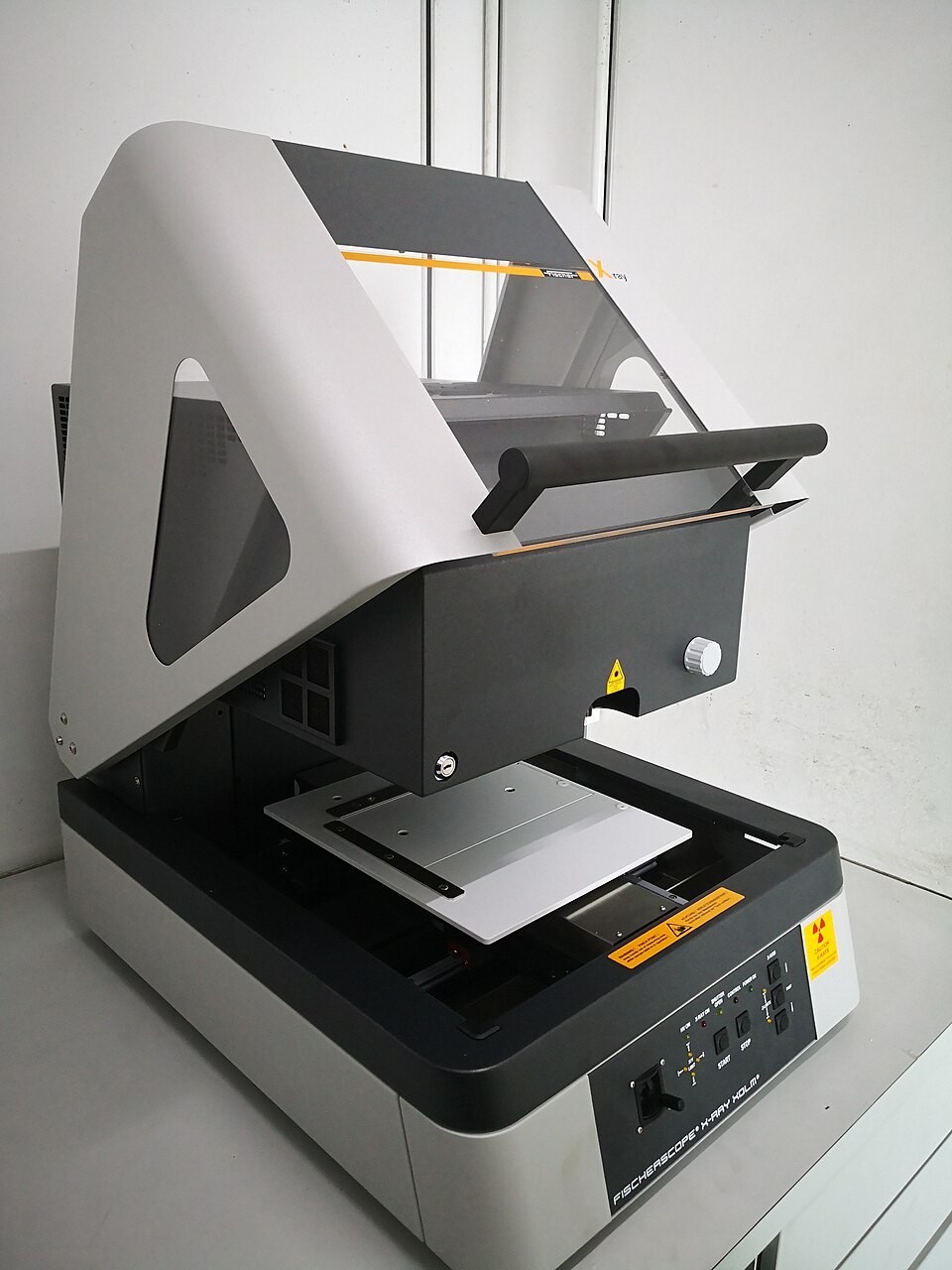
A handheld alloy match can be useful without proving the low-carbon requirement. Buyers should ask which elements were actually measured before treating a grade label as full material acceptance.
A lot-acceptance decision and a count of all defective pieces are different things. Buyers need to settle that distinction before an inspection report becomes a release instruction.
A coating-thickness reading may be right and still say little about the steel on your shipment. The missing link is often between the test record, the piece mark and the packing list.
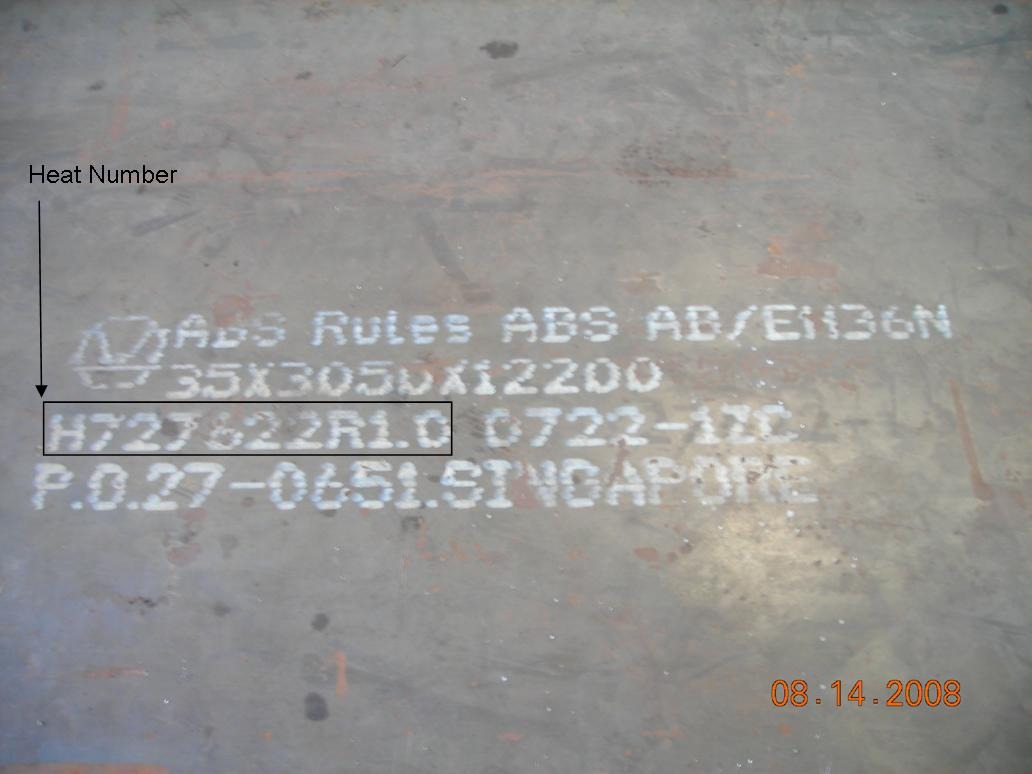
A buyer-side method for proving that a steel MTC, heat number, cut part, fabricated piece mark, and packing list belong to the same shipment.
Buyer-side checklist for verifying a steel fabricator's engineering, welding, traceability, subcontracting, capacity, coating, packing, and delivery controls.
Before release, engineering buyers should verify quantity, markings, packaging, visible quality, dimensions, documents, and shipment readiness.
Allow Google Analytics cookies to help us understand visits? Optional analytics stays off until you allow it. You can change this choice at any time.